Everything users never see but always feel: sign-in that just works, payments that never double-charge and data that’s there when they need it.
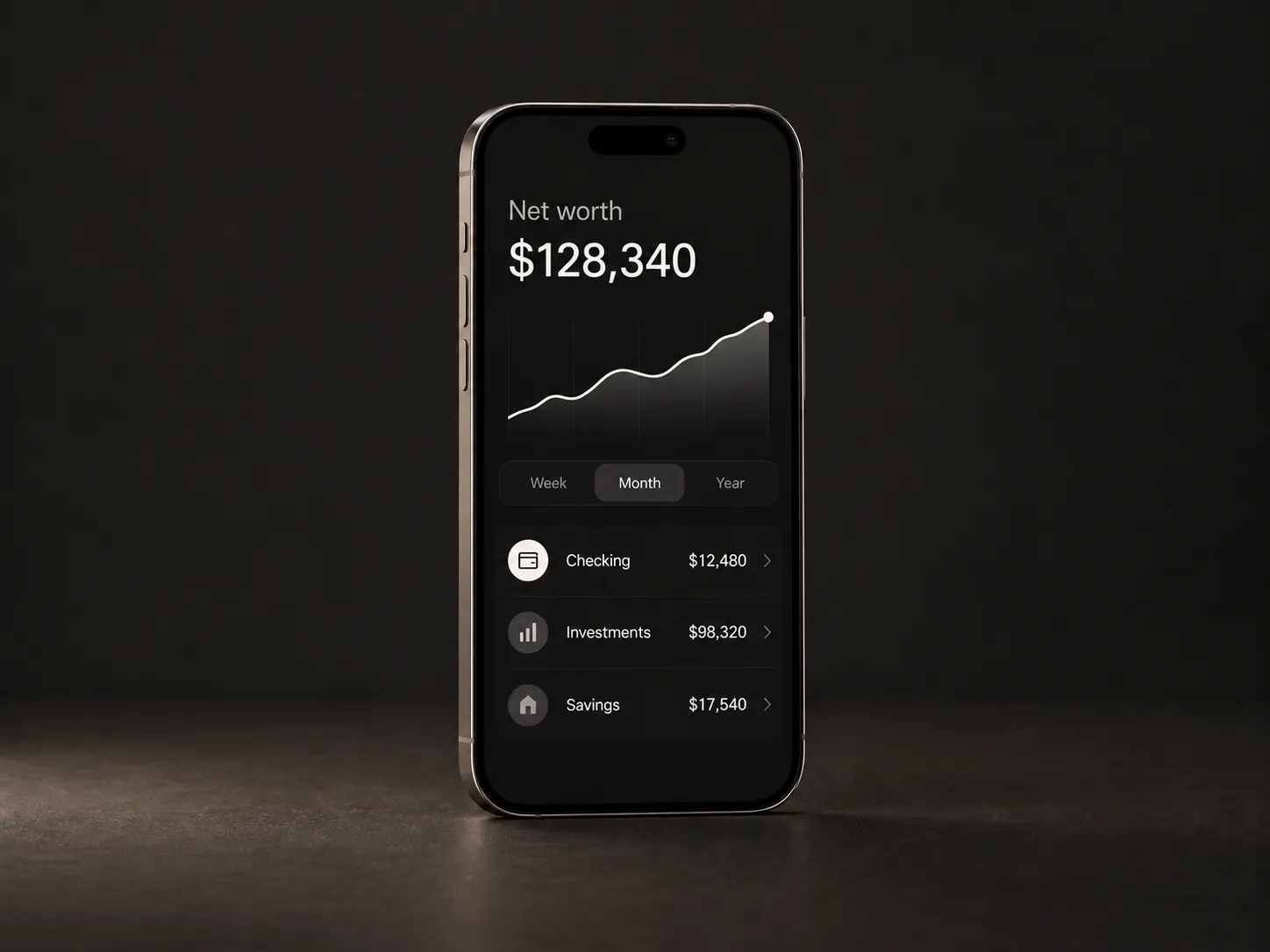
From the Otto case study
A good fit for
- New apps that need a backend built alongside them
- Existing apps struggling with a slow or fragile backend
- Products adding payments, subscriptions or an admin panel
Tools I use
Node.js · TypeScript · PostgreSQL · Supabase · Firebase · Stripe · AWS
APIs
Well-shaped REST or GraphQL APIs, versioned and documented.
Authentication
Email, phone OTP, Apple and Google sign-in, sessions and roles.
Payments
Stripe, PayPal and in-app purchases — with webhooks, receipts and refunds handled.
Databases
Postgres, Firestore or Supabase, modeled for how the app actually reads data.
Admin dashboards
Simple tools your team can use to manage users, content and orders.
Monitoring
Logging, error tracking and alerts so problems are caught early.
Have an app idea? Get a free, fixed-scope estimate.
- Reply within one business day
- No obligation
- You own the code
- 01Week 1
Understand
We talk through the idea, who it’s for and what success looks like.
- 02Weeks 2–3
Shape
Flows, wireframes and a clickable prototype, while decisions are still cheap.
- 03Weeks 4–10
Build
Design and engineering in short cycles, with a fresh test build most weeks.
- 04Ongoing
Launch & stay
Store release, monitoring and steady improvements once real users arrive.
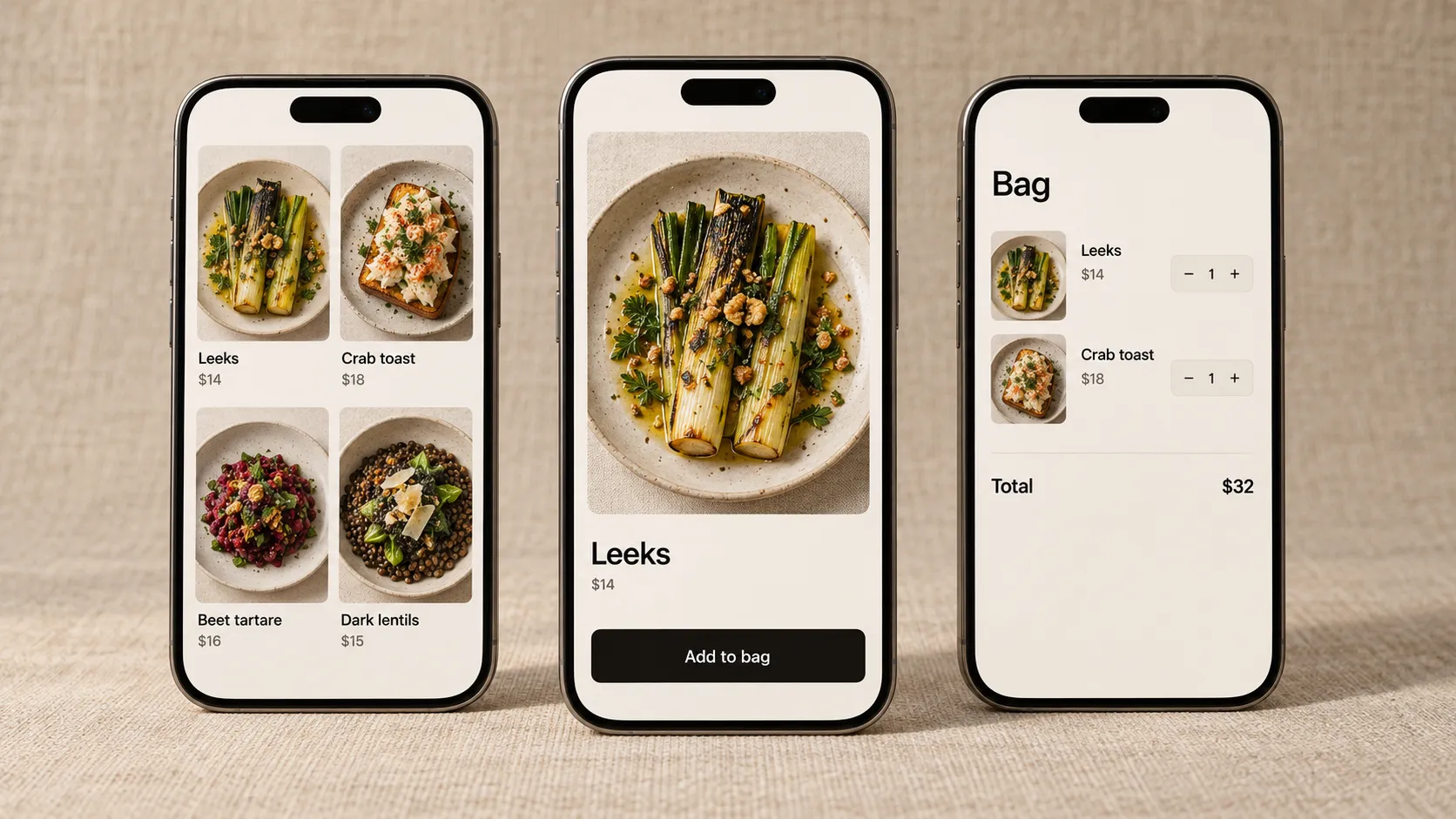
Firebase and Supabase are perfect for most early products and save a lot of time. A custom Node.js backend makes sense for complex business logic or strict data requirements.
Yes — Stripe, Apple Pay, Google Pay and in-app subscriptions, with privacy built in for GDPR and CCPA requirements.
Security is built in from the start: encrypted connections, least-privilege access, secure secrets handling and regular dependency updates.
Yes. I can integrate an app with your current APIs, or gradually improve a backend that’s become hard to change.