'How much will my app cost?' is the first question almost every founder asks me, and it's a fair one. You can't plan a launch, pitch an investor or get sign-off from a business partner without a number. So here are the numbers I see in the Indian market, broken down by app type, by who builds it, and by what actually moves the price.
These are typical ranges, not quotes. Two apps that sound identical on a call can differ by lakhs once we list the screens. But by the end of this guide you should be able to tell whether a quote in front of you is reasonable.
Typical app development cost in India by app type
Most apps fall into one of three buckets. The ranges below cover both Android and iOS with design included, as quoted by freelancers, small studios and mid-size agencies in 2026.
| App type | Examples | Typical cost (INR) | Typical timeline |
|---|---|---|---|
| Simple app / MVP | Booking app, catalogue, internal tool, single-feature startup MVP | ₹60,000 – ₹2 lakh | 4–8 weeks |
| Mid-complexity | E-commerce with payments, edtech with video and tests, subscription app with a backend and admin panel | ₹2 lakh – ₹8 lakh | 8–16 weeks |
| Complex | Marketplace, OTT streaming, on-demand delivery or ride app with several user apps | ₹8 lakh – ₹30 lakh+ | 4–9 months |
Simple apps and MVPs
A simple app has a handful of screens, a login and one core job. Think of a clinic booking app, a product catalogue with enquiry forms, or a startup MVP that tests one idea. If it doesn't need a custom backend and Firebase or Supabase is enough, it sits at the lower end.
Mid-complexity apps
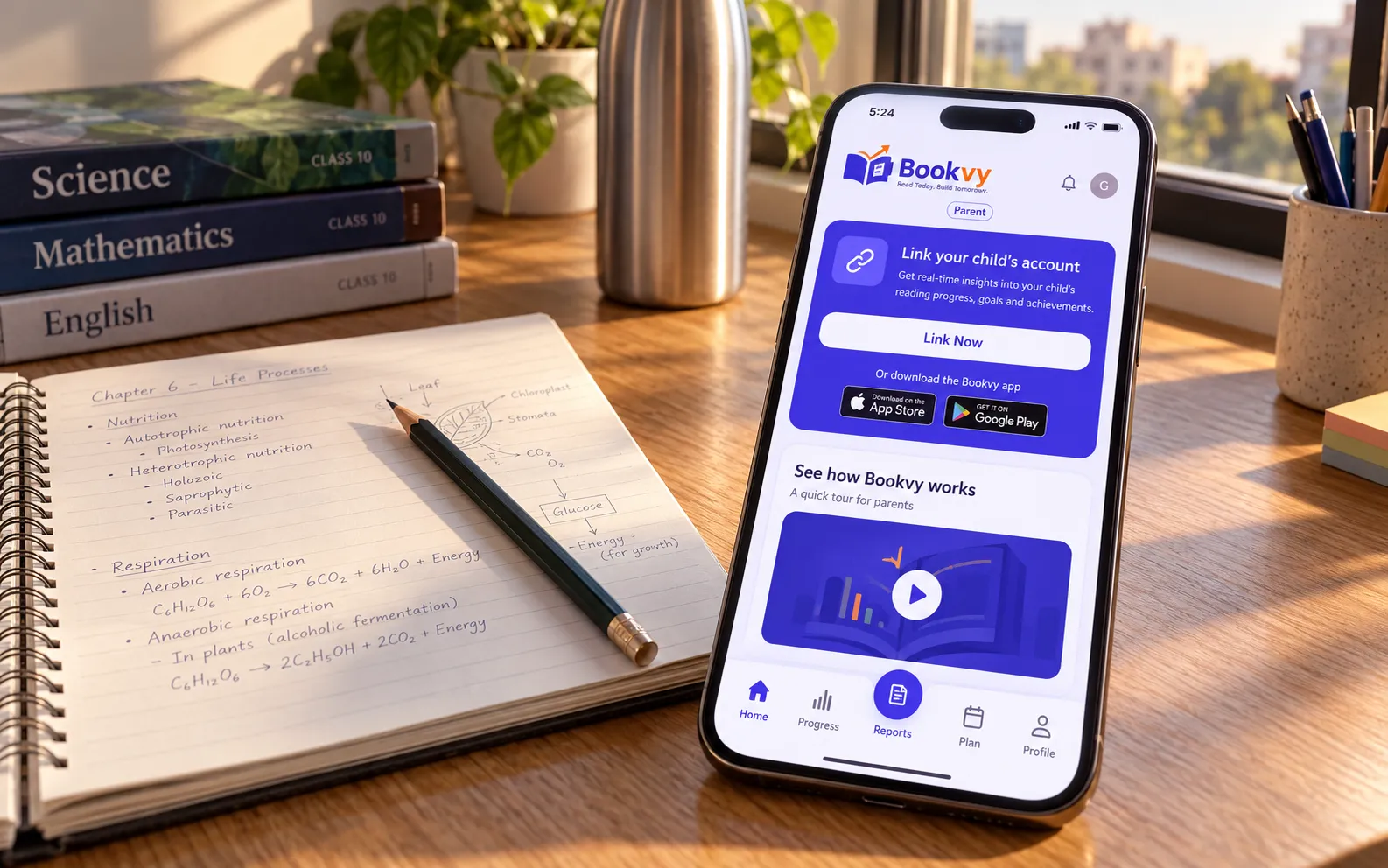
This is where most real businesses land. You need a proper backend, an admin panel so your team can manage content and orders, payments through Razorpay or UPI, push notifications and analytics. Bookvy sits here: a student app, a separate parent app, video lessons, tests, Razorpay and in-app purchase, all running on one NestJS backend.
Complex apps
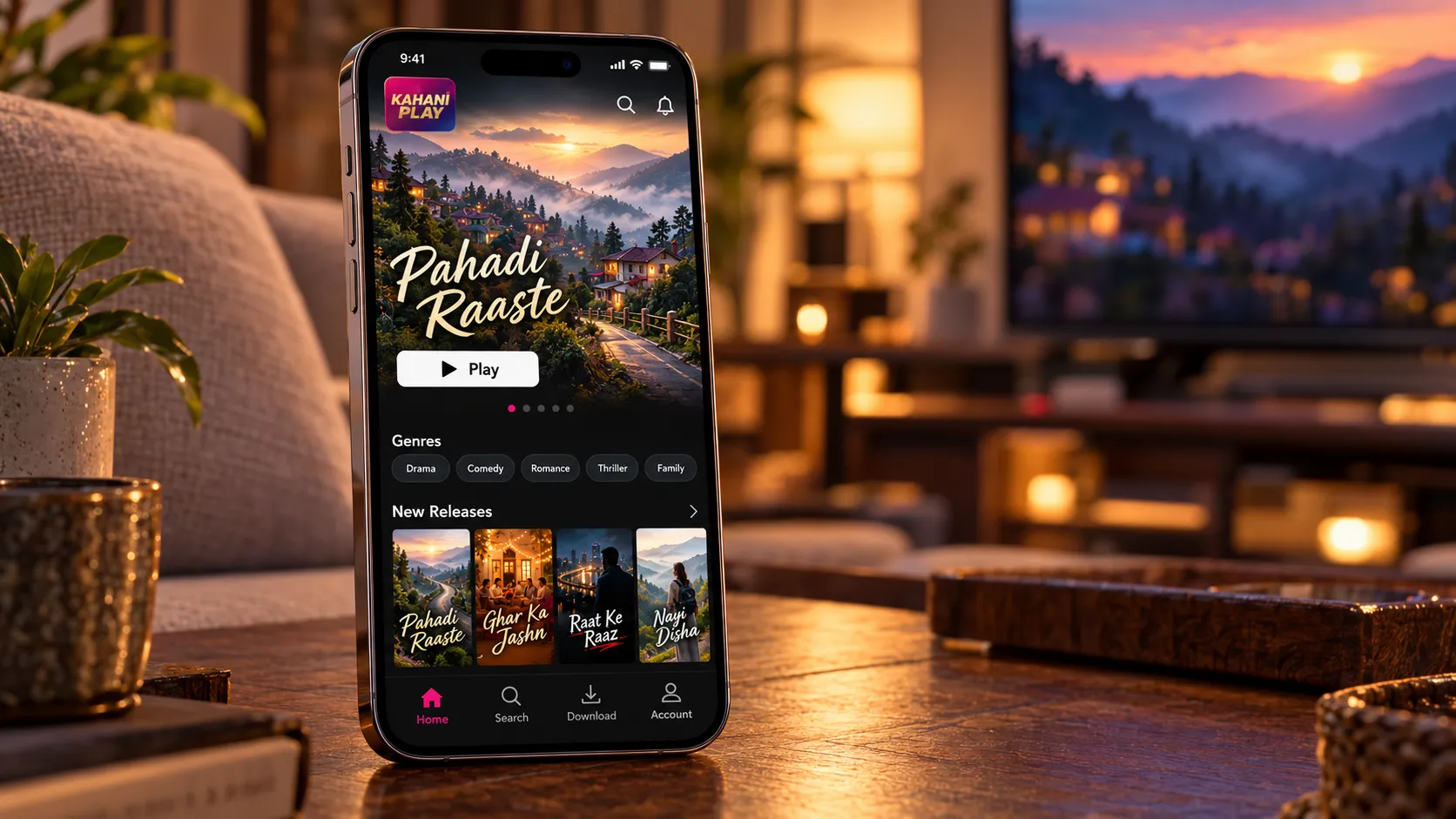
Marketplaces and on-demand apps are really three or four products: a customer app, a vendor or driver app, an admin panel and the backend that ties them together, often with live tracking. Streaming adds video delivery, offline downloads and subscriptions. On Kahani Play the payment layer alone wraps seven gateways, from UPI intents to Stripe. That kind of work is why complex apps start in the high lakhs.
What you pay depends on who builds it
The same app can be quoted at ₹1.5 lakh by a freelancer and ₹6 lakh by an agency. Neither is automatically wrong. You're paying for different things: overheads, project managers, a sales team, and how much of the risk sits on your side.
| Who builds it | Typical rate | Mid-complexity app | Best for |
|---|---|---|---|
| Freelancer | ₹500 – ₹3,000/hour | ₹1.5 – ₹5 lakh | MVPs and focused apps, if you pick well |
| Small studio (2–10 people) | ₹1,500 – ₹3,500/hour | ₹3 – ₹8 lakh | Apps that need design, backend and mobile together |
| Mid-size agency | ₹2,500 – ₹6,000/hour | ₹6 – ₹15 lakh | Larger companies that want process and paperwork |
| In-house team | ₹6 – ₹40 lakh/year CTC per developer | Salaries plus months of hiring | Products where the app is the business, long term |
A senior freelancer is often the best value for a first version, but the spread in quality is huge. A ₹500/hour developer and a ₹2,500/hour developer are not doing the same job. I've written separately about choosing between a freelancer and an agency, and about how to hire an app developer in India without getting burned.
In-house only makes sense once the app is your core product and you have a year of work queued up. One mobile developer is also a single point of failure, and you'll still need someone for the backend and the design.
What actually drives the cost
When I price a project, these are the things I'm counting. If you want to make sense of a quote, ask the developer to break it down along the same lines.
Platforms: Android, iOS or both
Two native apps (Kotlin or Java for Android, Swift for iOS) roughly doubles the mobile work. With Flutter app development, one codebase runs on both, which in my experience often saves 30 to 40 percent compared with two separate native apps. For an India-first consumer product, some founders launch on Android alone, because that's where most of their users are.
Screens and features
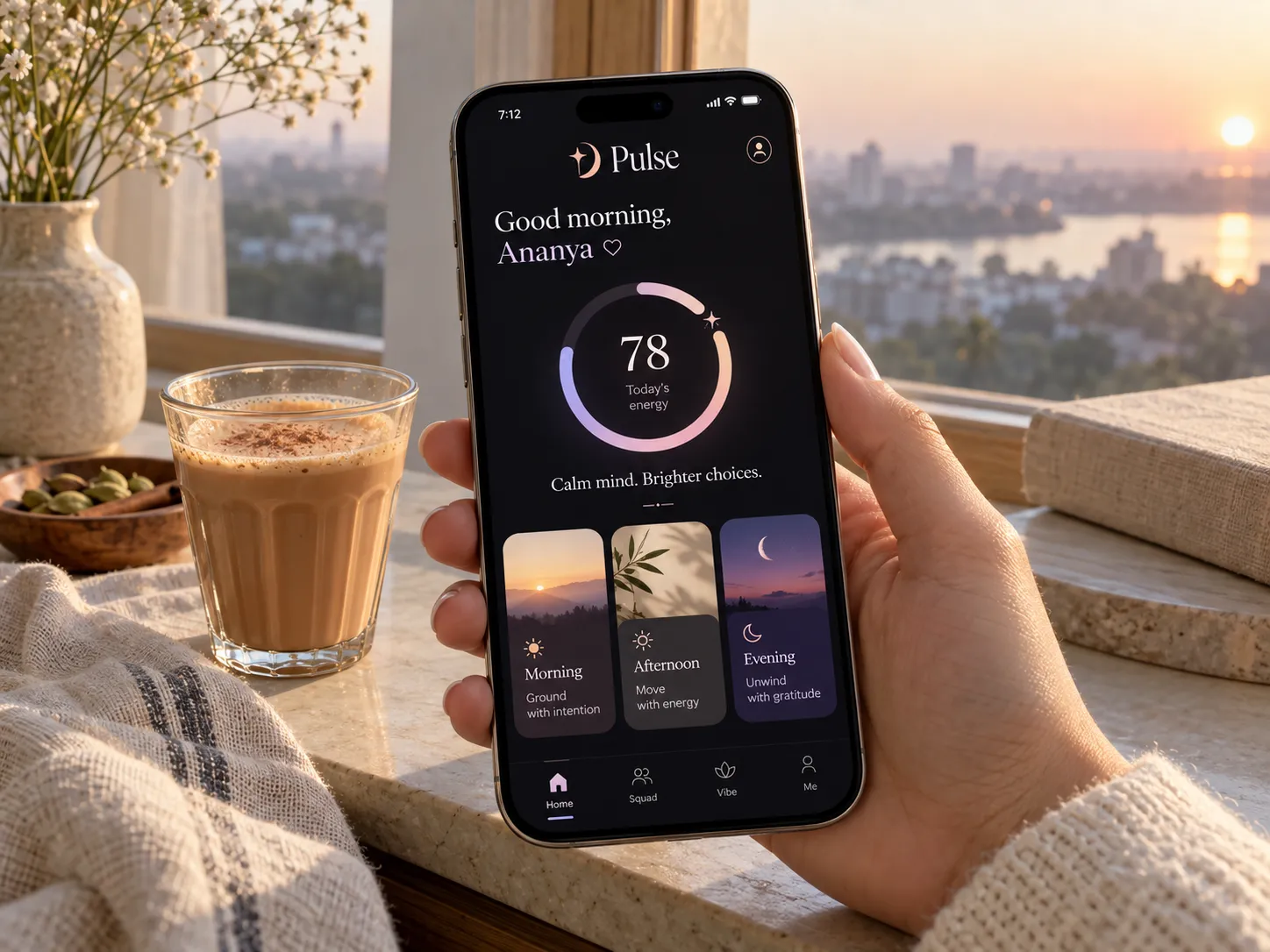
Every feature has a price: OTP login, profiles, search, filters, chat, a wallet, referrals, reviews. Real-time features like the group chat in Pulse need WebSockets and a live backend, so they cost more than their screen count suggests. A long feature list is the fastest way to double a budget.
Design
A custom interface with a proper design system costs more than a template, but on a mid-size project it's usually a fraction of the total, not the bulk of it. Skipping design rarely saves money. Screens nobody thought through get rebuilt during development, and that's the expensive way to design.
Backend and admin panel
This is the part founders underestimate most. The app is what users see, but the server handles login, payments, notifications and data. Your team also needs an admin panel to manage users, content and orders without calling a developer every time. On many mid-size apps, backend and API development is 30 to 50 percent of the total.
Integrations
- Payments: Razorpay, UPI intents, Cashfree or PhonePe, plus Apple and Google in-app purchase for digital subscriptions
- OTP login over SMS or WhatsApp
- Maps, location and live tracking
- Video streaming and offline downloads
- Third-party APIs for shipping, accounting, CRM or AI models
Each one is usually a few days to a couple of weeks of work, and each one adds testing. One payment gateway is routine. Seven, like Kahani Play, is a project of its own.
Costs people forget to budget for
The build is not the whole bill. These are the running costs I mention to every client before we start, so nobody is surprised in month three.
- Store fees. Apple charges $99 a year for a developer account. Google Play is a one-time $25. Small, but you need both before launch.
- Maintenance. Budget around 15 to 20 percent of the build cost per year for OS updates, library upgrades, crash fixes and store policy changes. An app nobody looks after starts breaking within a year.
- Servers and services. Hosting, database, storage, video delivery and push notifications. A small app can run on ₹1,000 to ₹5,000 a month. Video and real-time apps cost a lot more as they grow.
- SMS and OTP. Every login OTP costs a few paise. At scale it adds up.
- Payment fees. Gateways take a cut of each transaction, and Apple and Google take 15 to 30 percent of digital subscriptions sold through in-app purchase.
- Changes after launch. Your first users will ask for things you didn't plan. Keep 15 to 20 percent of the budget aside for the first round of changes.
A simple rule: if your build budget is ₹4 lakh, plan for roughly ₹60,000 to ₹80,000 a year to keep the app healthy, plus servers. If that number is a problem, cut scope now rather than skipping maintenance later.
A worked example: estimating a booking app
Here's how an estimate comes together. Say a group of three clinics in Pune wants an app where patients book appointments, pay online and get reminders, while staff manage the schedule from a web panel. Built in Flutter for Android and iOS by an experienced freelancer or small studio, it might look like this.
| Item | What's included | Estimate (INR) |
|---|---|---|
| Discovery and scoping | Calls, user flows, written scope | ₹10,000 – ₹20,000 |
| UI/UX design | About 15 screens and a clickable prototype | ₹40,000 – ₹70,000 |
| Flutter app (Android + iOS) | OTP login, booking, profiles, history, reminders | ₹1,00,000 – ₹1,60,000 |
| Backend and API | Users, slots, bookings, notifications | ₹60,000 – ₹1,00,000 |
| Admin panel | Staff schedule, bookings, basic reports | ₹40,000 – ₹70,000 |
| Payments | Razorpay with UPI, cards and refunds | ₹15,000 – ₹30,000 |
| Testing and store launch | Device testing, store listings, App Review | ₹15,000 – ₹30,000 |
| Total | ₹2,80,000 – ₹4,80,000 |
On top of that: roughly ₹2,000 to ₹6,000 a month for servers and SMS at this size, the Apple and Google fees, and yearly maintenance. An agency might quote ₹6 to ₹10 lakh for the same scope, mostly because of overheads and extra layers of project management.
Look at where the money goes. The app screens are less than half of it. The backend, the admin panel and the launch work are what turn a demo into something a business can actually run on.
How to cut the cost without cutting corners
- Start with an MVP. Build the one flow that proves people want this, launch it, then add features based on what users actually do. My MVP development projects are built around this, and most launch in 6 to 10 weeks.
- Use Flutter for both platforms. One codebase, one set of bugs, one release process. Bookvy and Pulse are both Flutter apps.
- Don't build what you can rent. Firebase or Supabase for an early backend, Razorpay for payments, existing tools for email and analytics. A custom backend makes sense later, when the business rules get complicated.
- Fix the scope in writing. Most budget overruns come from scope that was never written down. A fixed-scope proposal with a screen list protects both sides.
- Launch on one platform if your users are there. For many Indian consumer apps that means Android first. With Flutter, adding iOS later is mostly testing and store work.
- Leave the nice-to-haves for version two. Dark mode, five languages, badges and referral programmes can all wait until people are using the app.
The cheapest app is the one you don't have to rebuild. A ₹40,000 app that gets thrown away after six months costs more than a ₹1.5 lakh app you keep improving.
Why quotes range from ₹30,000 to ₹30 lakh
If you've asked around, you've probably got quotes that are wildly different for the same idea. It's usually one of these:
- The cheap quote is a template or clone script with your logo on it. Fine for a quick test, painful to customise.
- The scope is different. One developer priced the app; another priced the app, backend, admin panel and launch.
- The expensive quote includes a project manager, a QA team and an account manager. Sometimes that's worth it. Often it's overhead.
- Someone hasn't understood the project. A quote sent after a five-minute chat is a guess.
Ask every developer for a feature-by-feature breakdown and compare them line by line. The gaps tell you more than the totals do.
What I charge, and how I price
I'm an independent developer in Mumbai, so you work with me directly from the first call to the store listing. Projects start from ₹60,000. After a discovery call I send a fixed-scope proposal in INR with one price and one timeline, and most first versions take 6 to 12 weeks.
You get a test build on your phone most weeks, so you're never paying for work you can't see. After launch I can stay on with a monthly app maintenance plan, the way I have with Kahani Play through more than 70 releases.
If you're in India and want a real number for your idea, tell me what you're building and I'll come back with an estimate. There's more on how I work with Indian businesses on my page for hiring an app developer in India.