Hiring the wrong app developer is expensive in ways that don't show up on the invoice. You lose months, you end up with code nobody else wants to touch, and sometimes you don't even get the code. The warning signs are almost always there early. You just need to know what to look for.
This is what I'd tell a friend who's about to hire one, including how to check people like me.
Freelancer, agency or in-house?
There are three ways to get an app built. Each one works well for some projects and badly for others.
| Option | Good at | Watch out for | Fits best |
|---|---|---|---|
| Freelancer | Lower cost, direct contact with the person writing the code, fast decisions | Quality varies hugely; one person can fall ill or disappear | MVPs, focused apps, founders who want a hands-on partner |
| Agency | Designers, QA and project managers under one roof | Higher prices, juniors doing the actual work, slower changes | Large projects with several workstreams running at once |
| In-house hire | Full-time focus, knowledge stays in the company | Salary, months of hiring, and you still need backend and design skills | Products where the app is the business, with years of work ahead |
For a first version, I think a strong freelancer or a tiny studio is the right call for most startups. You get senior work without paying for an office and a sales team. Once the product is proven and you have a roadmap that runs for years, start building an in-house team. I go deeper on this in freelance app developer vs agency.
Where to find app developers
- Referrals. Ask other founders who launched an app recently. This is still the best source by a distance.
- The app stores. Find apps like yours that work well, then find out who built them. Many developers list client apps on their own sites.
- Freelance marketplaces. Upwork, Toptal and similar sites do have good developers, but you'll wade through a lot of copy-paste proposals. Filter hard on live work.
- LinkedIn and GitHub. Useful for checking what someone has actually built and how long they've been at it.
- Independent portfolio sites. Developers with their own site and real case studies are usually in it for the long run, because they're building a reputation rather than a marketplace rating.
If you'd rather work with someone in your own time zone, search by city or country. I'm in Mumbai and work with founders across the country, and I've written up how that works on my page for Indian startups and businesses.
How to vet an app developer
This is where most hiring goes wrong. People judge on the sales call and the price. Judge on shipped work instead.
Ask for live apps, not mockups
Dribbble shots and Figma files show that someone can design. They don't show that someone can ship. Ask for links to apps on Google Play and the App Store that are live right now, then install them. Do they open quickly? Do they crash? Do the reviews mention bugs that never got fixed?
Check the downloads and the update history
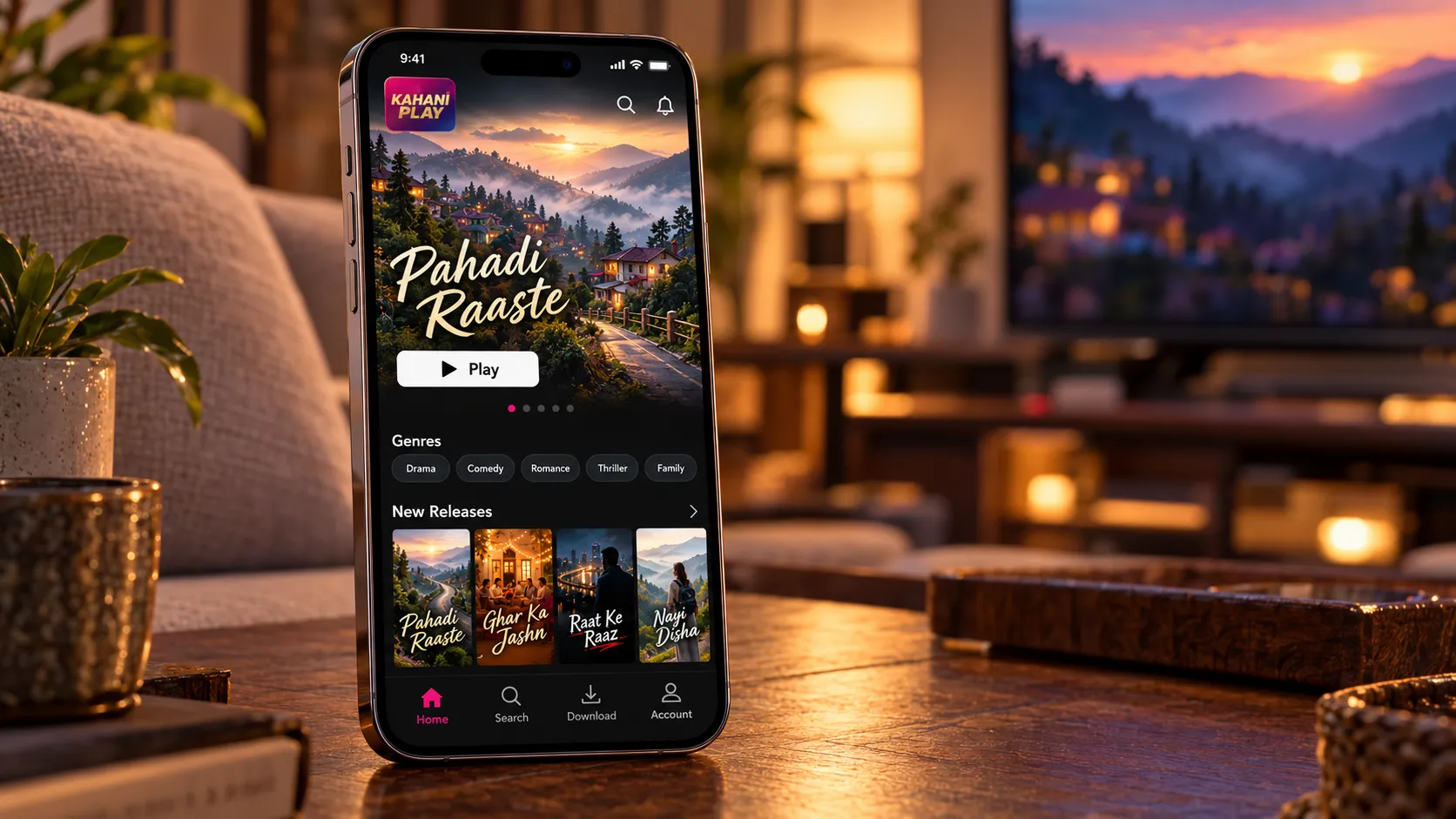
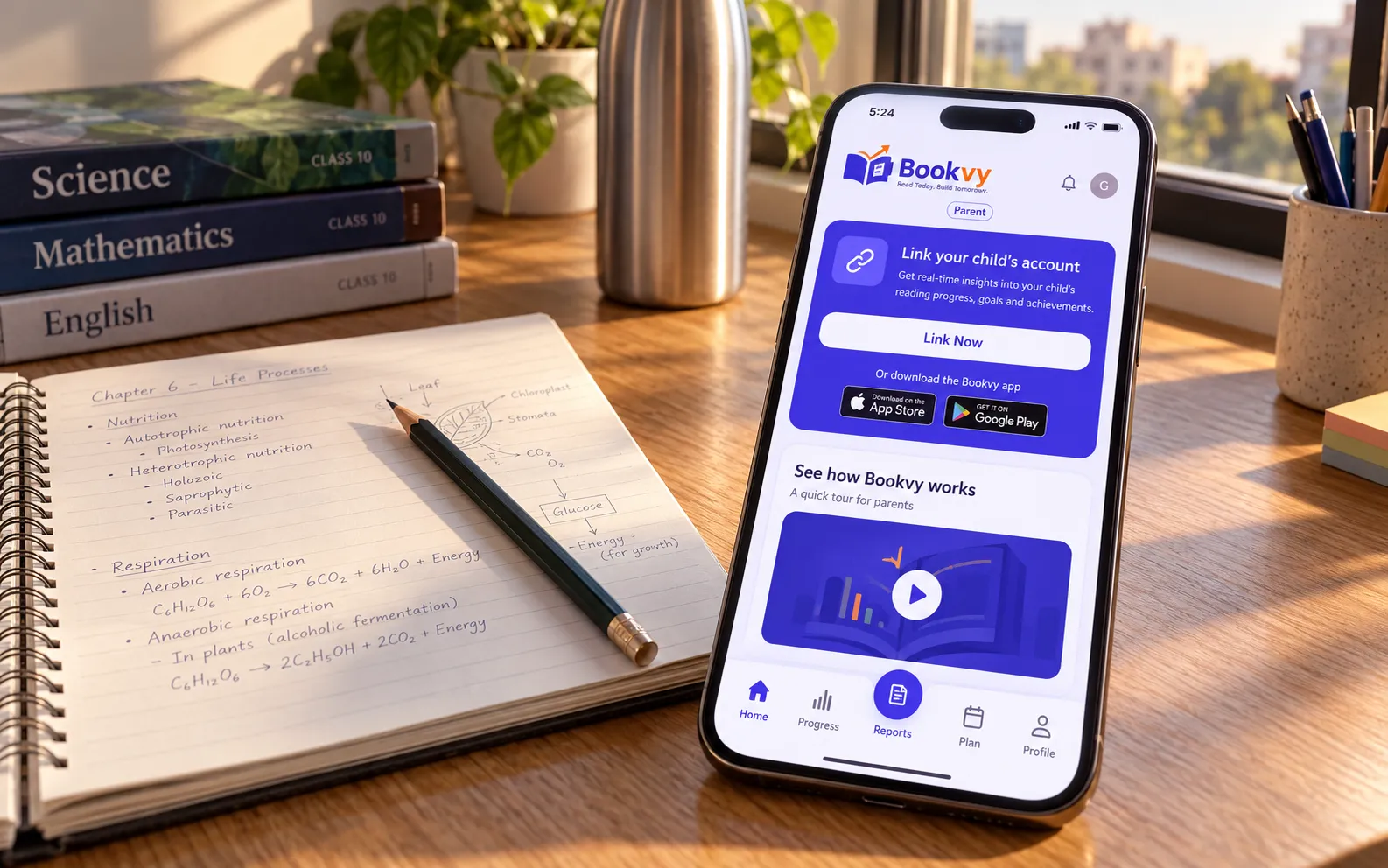
Google Play shows a download range and the date of the last update. An app with half a million downloads that's still getting regular releases tells you more than any pitch deck. For reference, my own work includes a streaming app past 500,000 downloads with more than 70 releases, and an edtech app past 10,000. Ask anyone you're considering for the same kind of proof.
Understand whose name is on the listing
On a client project, the store listing should show the client's company as the developer, not the freelancer. That's correct, because the client should own the account. So ask for a reference at that company you can actually call, or a quick screen share showing the developer's access in Play Console or App Store Connect.
Talk to a past client
Ask for one or two references and call them. Did the developer hit the deadlines? What happened when something went wrong? Would they hire this person again? That last answer is the one that matters.
Test the communication
Watch how they write in the first week. Clear, on-time replies before you've paid usually mean clear, on-time replies after. If messages already take three days to come back, it won't get better once they have your money.
Questions to ask before you hire
- Which of your apps are live right now, and what exactly did you build on each one?
- Who will actually write the code? Will anyone else work on it?
- How will I see progress? How often will I get a build on my phone?
- What's in the price: design, backend, admin panel, store launch?
- Which tech stack do you suggest, and why for this app in particular?
- Who owns the code, the store accounts and the server accounts?
- What happens after launch? Is there a warranty period, and what does maintenance cost?
- What happens if the scope changes halfway through?
Good developers answer these quickly and specifically. If the answer to 'why this stack' sounds like a brochure, ask again. For most cross-platform projects I recommend Flutter and can explain why in two minutes. Anyone you hire should be able to do the same for their choice. If you're specifically looking to hire a Flutter developer, here's what I offer for Flutter app development.
Red flags I'd walk away from
- No live apps, or only links to apps that have since been pulled from the store.
- A fixed price quoted before they've asked you a single real question about the app.
- Asking for 100 percent upfront, or more than half before you've seen any working build.
- Wanting to publish your app under their own developer account.
- No access to the code repository until the very end.
- A 'ready-made solution' that turns out to be a clone script with your logo on it.
- Promises like 'Uber clone in two weeks' or 'unlimited revisions'.
- An agency that can't tell you who will actually build your app.
The biggest red flag of all is a developer who wants to own your store account or your source code. Both should be in your company's name from day one, with the developer added as a team member.
What the contract should cover
You don't need a 40-page agreement, but you do need these in writing before any money moves.
- Fixed scope. A feature list and a screen list, so 'done' means the same thing to both of you. Changes get priced separately.
- Milestones. A common split is 40 percent to start, 30 percent at a working beta and 30 percent at launch. Each payment is tied to something you can test.
- IP transfer on payment. Code, designs and assets transfer to your company as each milestone is paid. Open-source libraries keep their own licences.
- NDA. If your idea or your data is sensitive, sign one before sharing the details. Any serious developer will.
- Accounts in your name. Apple developer account, Google Play Console, servers, domain and the code repository.
- Warranty. A period after launch, often 30 to 90 days, when bugs within the agreed scope are fixed at no charge.
- Timeline and communication. Dates for each milestone, how often you'll get builds, and how you'll talk.
Clear terms protect the developer as much as the client. When I send a fixed-scope proposal, it spells out what's in, what's not, and what each payment covers, so there's nothing to argue about later.
What app developers in India charge
Rates vary a lot with experience and city. These are typical ranges in 2026, not fixed prices.
| Who | Typical rate in India | Notes |
|---|---|---|
| Junior freelancer (0–2 years) | ₹500 – ₹1,000/hour | Fine for small tasks, risky for a whole app |
| Experienced freelancer (4+ years) | ₹1,000 – ₹3,000/hour | Can own an app end to end |
| Small studio | ₹1,500 – ₹3,500/hour | Design and backend under one roof |
| Mid-size agency | ₹2,500 – ₹6,000/hour | International clients are often quoted $30 – $80/hour |
| In-house developer | ₹6 – ₹40 lakh/year CTC | Plus hiring time, equipment and benefits |
Plenty of freelancers in India prefer fixed-price projects to hourly billing, and so do most clients, because you know the number before you start. A mid-complexity app typically lands between ₹2 lakh and ₹8 lakh. I break the numbers down properly in app development cost in India.
Hiring an Indian developer from the USA, UK or Europe
A lot of the founders I work with are outside India. The time difference sounds like a problem, but handled properly it often works in your favour: you send feedback in the evening and wake up to a fix.
- Overlap hours. My day overlaps with US Eastern mornings and with the UK and Central European working day. Calls happen in the overlap.
- Written updates. Decisions go in writing, so nobody waits a day for an answer.
- Weekly builds. You test the app on your own phone most weeks, which tells you more than any status call.
- Contracts and payment. Invoices in USD, GBP or EUR, paid by card or bank transfer, with Stripe or Wise for US clients. Your NDA and IP assignment are fine.
- Compliance. GDPR, UK GDPR and CCPA planned in from the first screen, not bolted on at the end.
International projects start from $500. There's more detail for your region on hiring an app developer in the USA and in the UK.
Whoever you hire abroad, agree on fixed overlap hours and a weekly build in the contract. Those two things solve most time-zone problems before they start.
What working with me looks like
I'm Siddhesh, an independent mobile app developer in Mumbai. I build Android, iOS, Flutter and React Native apps, and I design them and build the backend too. You deal with me directly, not an account manager.
- Discovery call. We talk through the idea, the users and what version one needs to do.
- Fixed-scope proposal. One price, one timeline and a written feature list. In India, projects start from ₹60,000.
- Weekly test builds. You see real progress on your own phone, most weeks.
- Launch. I handle the store listings, review and release, under your accounts.
- Maintenance. I stay on after launch if you want me to, month to month.
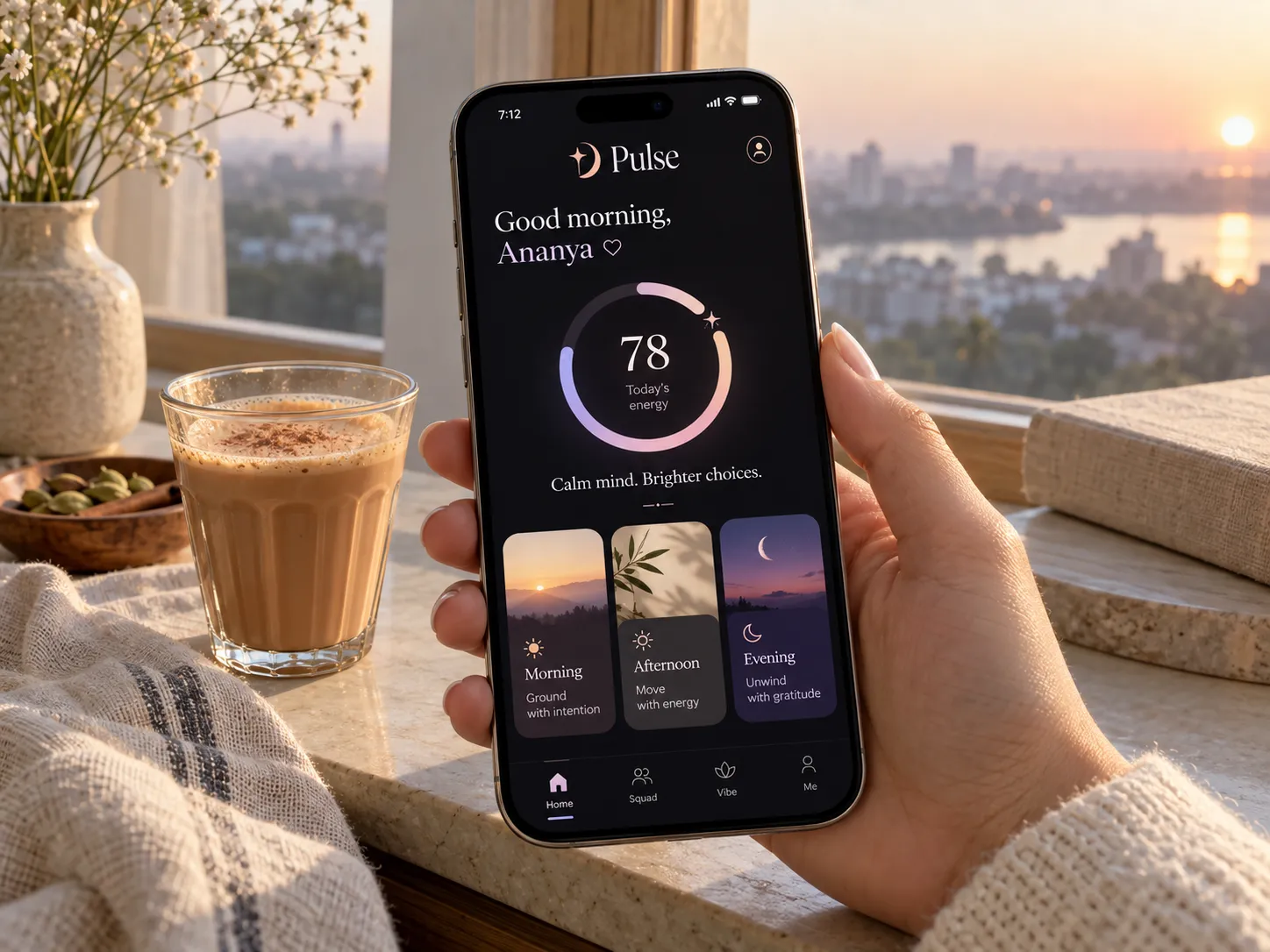
Look at the real apps first: Kahani Play, native Android with seven payment gateways and 500,000+ downloads; Bookvy, a student app and a parent app in Flutter; and Pulse, a Flutter app with a Python backend. If that's the kind of developer you're after, get in touch and tell me what you're building.