'How much does it cost to build an app?' Founders in New York, London and Austin ask me the same question founders in Mumbai do, and the honest answer is the same too: it depends on what the app has to do and who builds it. The difference is that US and UK quotes have an extra zero on the end more often than people expect.
Below are the typical ranges I see at US and UK agencies, hourly rates by region, the running costs people forget, and a worked estimate comparing a US agency, a UK agency and a senior independent developer in India. I'm the last of those, so I'll be upfront about where offshore work goes wrong as well as where it saves money. These are typical market ranges, not quotes.
Typical app development cost in the USA and UK
Most apps fall into three buckets. The ranges below are what US and UK agencies typically quote in 2026 for an app on both iOS and Android, with design, a backend and store launch included.
| App type | Examples | US agency (USD) | UK agency (GBP) | Typical timeline |
|---|---|---|---|---|
| Simple app / MVP | Booking app, internal tool, single-feature startup MVP | $10,000 – $40,000 | £8,000 – £30,000 | 6–12 weeks |
| Mid-complexity | Subscription app with a backend and admin panel, e-commerce, edtech with video | $40,000 – $150,000 | £30,000 – £115,000 | 3–6 months |
| Complex | Two-sided marketplace, on-demand delivery, streaming, fintech | $150,000 – $500,000+ | £115,000 – £400,000+ | 6–12 months |
Simple apps and MVPs
A handful of screens, a login and one core job. If Firebase or Supabase can stand in for a custom backend, you're at the low end.
Mid-complexity apps
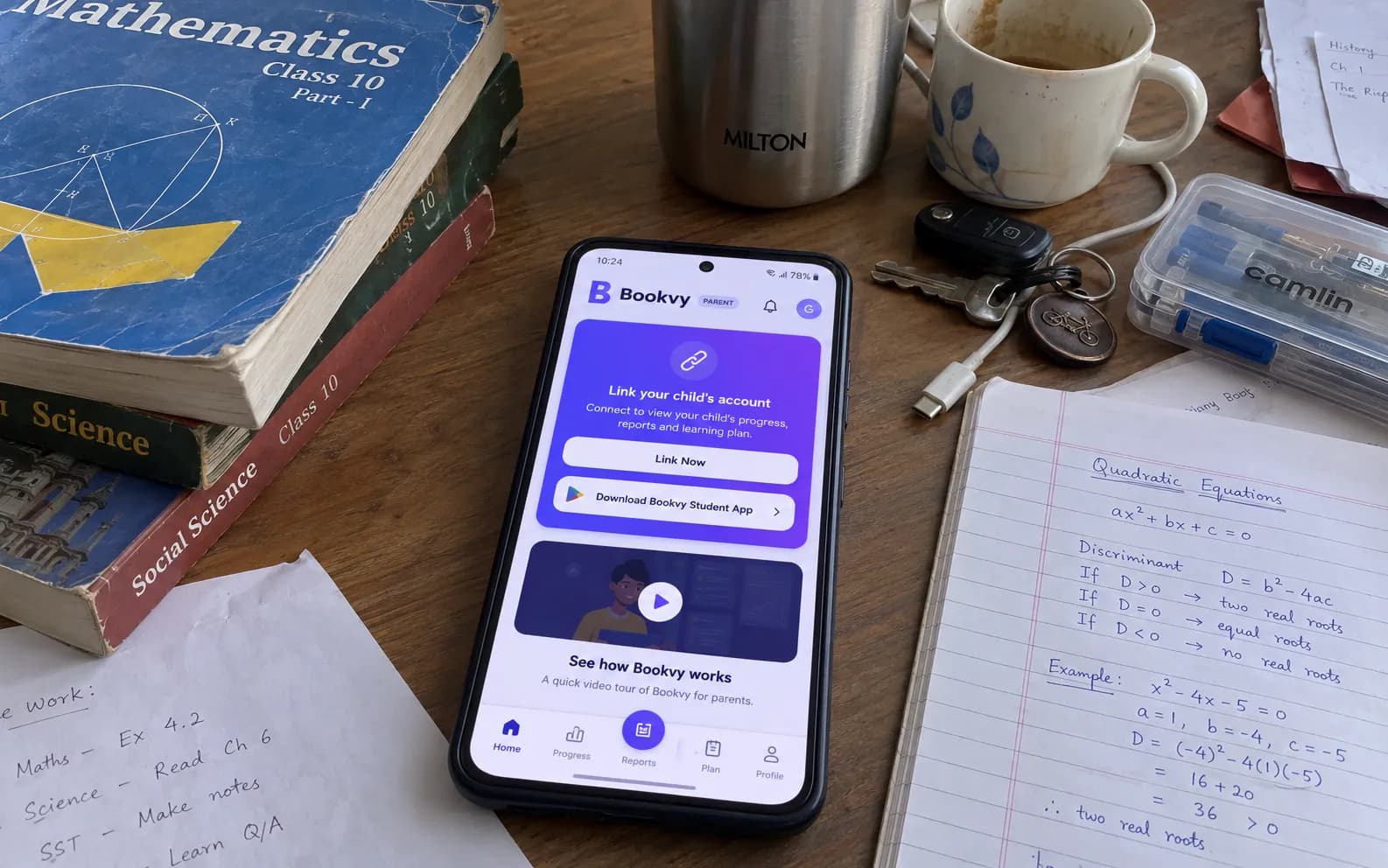
This is where most funded startups and established businesses land: a real backend, an admin panel so your team can manage users and content, Stripe or in-app purchase, push notifications and analytics. Bookvy is a good example. It's a student app and a separate parent app on one shared backend, with video lessons, tests and subscriptions.
Complex apps
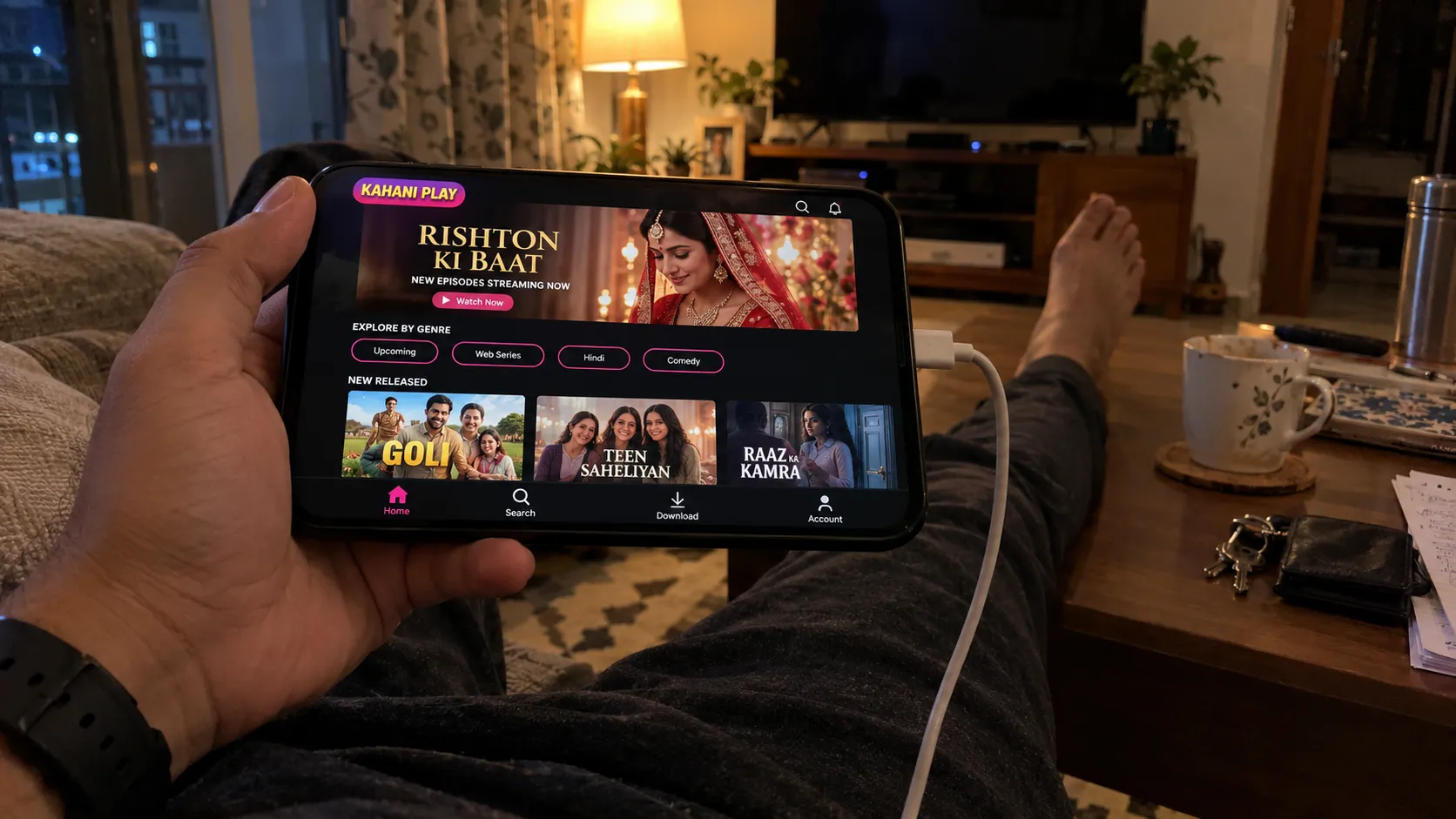
Marketplaces and on-demand apps are really three or four products: a customer app, a provider app, an admin panel and the backend that ties them together. Streaming adds video delivery, offline downloads and subscription logic. On Kahani Play, a Flutter streaming app with over 500,000 downloads, encrypted offline downloads and payments across Android and iPhone were projects of their own. That kind of work is what pushes agency quotes well into six figures.
Hourly rates by region
Most of the gap between quotes comes from the hourly rate behind them. These are typical 2026 ranges for mobile work. Individual rates vary a lot inside each band.
| Who builds it | Typical hourly rate | What you're paying for |
|---|---|---|
| US agency | $100 – $200 (top firms $250+) | Project managers, a QA team, account management, US office costs |
| UK agency | £70 – £150 (day rates £550 – £1,100) | The same agency layers, with London rates at the top |
| US freelancer | $60 – $150 | One person, with a wide spread in seniority |
| UK freelancer | £45 – £100 (day rates £350 – £750) | One person, often on contract-style day rates |
| Eastern Europe agency | $40 – $80 | Strong engineering and good overlap with UK and European hours |
| India agency | $20 – $50 | Lower cost, but quality varies widely and juniors often do the delivery |
| Senior Indian independent | $25 – $60 | One experienced person, direct contact, no agency layers |
The rate on its own tells you very little. A $150 developer who ships in 300 hours costs less than a $40 developer who takes 1,500 hours and leaves you with a rewrite. What you want is the lowest total cost for a working app you own, not the lowest hourly number.
What actually drives the cost
When I price a project, these are the things I'm counting. They're the same whether the developer sits in Ohio, Leeds or Mumbai.
- Platforms. Two native apps (Swift for iOS, Kotlin for Android) roughly doubles the mobile work. With Flutter app development, one codebase covers both, which in my experience often saves 30 to 40 percent.
- Screens and features. Every feature has a price: sign-up, profiles, search, filters, chat, reviews, referrals. Real-time features like live chat or tracking need extra backend work and cost more than their screen count suggests.
- Backend and admin panel. This is the part founders underestimate most. Login, payments, notifications and data all live on the server, and your team needs a panel to manage them. On many mid-size apps it's 30 to 50 percent of the total.
- Integrations. Stripe, Apple Pay, Sign in with Apple, maps, calendars, CRMs, AI APIs. Each one is usually a few days to a couple of weeks of work, plus testing.
- Compliance. HIPAA for US health apps, UK GDPR, WCAG accessibility and financial regulation all add review and engineering time.
- Project management. Agencies bill for project managers and account managers. With an independent developer most of that time disappears, though you take on a little more of the decision-making yourself.
The total cost of owning an app
The build is the first bill, not the last. These are the running costs I mention to every client before we start.
- Maintenance: 15 to 20 percent of the build cost per year. New iOS and Android versions, library upgrades, crash fixes and store policy changes. On a $60,000 app, plan for $9,000 to $12,000 a year.
- Apple Developer Program: $99 a year. You need it to publish on the App Store.
- Google Play: $25, once. A one-time registration fee.
- Hosting and services. A small app can run on $50 to $300 a month for servers, database, storage and push notifications. Video, real-time features and AI calls grow with usage.
- Store commission. Apple and Google take 15 to 30 percent of digital subscriptions sold through in-app purchase. Physical goods and services go through Stripe at normal card fees.
- Changes after launch. Your first users will ask for things you didn't plan. Keep 15 to 20 percent of the build budget aside for the first round.
Open the Apple and Google developer accounts in your company's name from day one. Whoever owns those accounts owns the listing, the reviews and the download history.
Why a senior developer in India can cost 50–70% less
This is the section where you should be sceptical, because I benefit from you believing it. So here's the honest version.
The saving is real, and it comes from two places. The first is cost of living: a senior developer in Mumbai can charge a fraction of a London or San Francisco rate and still earn well. The second is structure: an independent developer has no sales team, no office in a prime postcode and no project managers to bill for. Put together, a senior independent developer in India can often deliver the same scope for 50 to 70 percent less than a US or UK agency.
What the saving doesn't buy you is skill. Cheap offshore work has a bad reputation because a lot of it is bad: juniors sold as seniors, clone scripts, and teams that vanish after the last payment. The rate should be lower because the costs are lower, not because the work is. If an Indian quote is 90 percent below a US one, something is missing from it.
It isn't always the right call either. If you need a team of eight for a year, a strong agency or an in-house team may suit you better. For a first version, an MVP or a focused app, one senior person is often the best value you'll find. I've covered the vetting side in more depth in my guide to hiring an app developer in India, and if you're curious how local pricing compares, see app development cost in India.
A worked example: a booking marketplace MVP
Here's how the three options compare on one realistic project. Say a founder wants a two-sided booking app. Customers find and book local service providers, pay by card and get reminders. Providers manage their availability and get paid out. An admin panel handles disputes and payouts. It's built in Flutter for iOS and Android, with Stripe Connect for payments.
| Item | US agency (USD) | UK agency (GBP) | Senior India independent (USD) |
|---|---|---|---|
| Discovery and scoping | $4,000 – $8,000 | £3,000 – £6,000 | $800 – $1,500 |
| UI/UX design (about 25 screens) | $8,000 – $15,000 | £6,000 – £11,000 | $2,500 – $5,000 |
| Flutter app (customer and provider flows) | $22,000 – $40,000 | £17,000 – £31,000 | $7,000 – $13,000 |
| Backend and API | $14,000 – $25,000 | £11,000 – £19,000 | $4,500 – $9,000 |
| Admin panel | $6,000 – $10,000 | £4,000 – £8,000 | $1,500 – $3,000 |
| Stripe Connect payments and payouts | $3,000 – $6,000 | £2,000 – £5,000 | $1,000 – $2,000 |
| Testing and store launch | $3,000 – $6,000 | £2,000 – £5,000 | $700 – $1,500 |
| Total | $60,000 – $110,000 | £45,000 – £85,000 | $18,000 – $35,000 |
In this example the independent route comes out roughly two thirds below either agency once you convert pounds to dollars. The running costs (hosting, store fees, maintenance) apply in every column.
Timelines differ less than prices. An agency might put three or four people on it and finish in 8 to 12 weeks. As one person I'd typically plan 10 to 14 weeks for this scope, often launching the customer side first. If speed matters more than budget, that's a fair reason to pay for a bigger team.
Offshore risks and how to avoid them
Most offshore horror stories come down to a few avoidable mistakes. This is what I'd check if I were hiring someone on the other side of the world.
- Look at live apps, not mockups. Ask for App Store and Google Play links to apps they built and still maintain. Download them, read the reviews and check the update history. A folder of pretty screenshots tells you nothing about shipping.
- Talk to the person who will write the code. Plenty of agencies sell with a senior and deliver with juniors. Ask who is actually building your app, and speak to them before you sign.
- Get a fixed scope in writing. A screen-by-screen feature list with one price and one timeline. Vague scope is where budgets and working relationships fall apart.
- Pay in milestones. Tie payments to things you can test on your phone: designs signed off, a first build, payments working, store launch. Never pay most of the money up front.
- Own the code and the accounts. Code in a Git repository you own from week one, store accounts in your company's name, and servers billed to you.
- Sign an NDA and an IP assignment. Your contract should assign all intellectual property to your company on payment. Any serious developer will sign your NDA and MSA without fuss.
- Agree how you'll communicate. A weekly call at a fixed time, written updates and one shared place for decisions. A week of silence is a warning sign.
If a developer won't give you repository access, won't sign an IP assignment or can't show you a live app, walk away. Those three checks filter out most bad outcomes.
Working hours and payments across time zones
India Standard Time is UTC+5:30 and doesn't change for daylight saving, so the gap to the US and UK shifts twice a year.
| Your time zone | IST is ahead by | Your 9am in IST |
|---|---|---|
| UK, winter (GMT) | 5h 30m | 2:30pm |
| UK, summer (BST) | 4h 30m | 1:30pm |
| US Eastern, winter (EST) | 10h 30m | 7:30pm |
| US Eastern, summer (EDT) | 9h 30m | 6:30pm |
| US Pacific, winter (PST) | 13h 30m | 10:30pm |
| US Pacific, summer (PDT) | 12h 30m | 9:30pm |
In practice, a UK morning and early afternoon is my afternoon and evening, so UK clients get calls and feedback in real time during their working day. US East Coast mornings overlap with my evening, which is when I take US calls. Pacific teams are the hardest fit, so we schedule those calls ahead.
The gap has an upside: you send feedback at the end of your day and often wake up to a fix. Everything we decide goes in writing, so nobody waits on a time zone.
Paying an overseas developer
International payments are routine now. I invoice US clients in USD, and UK companies in GBP or USD. US clients usually pay by card, ACH or wire through Stripe or Wise, and UK clients by bank transfer or card. Invoices are split into milestones, so you're always paying for work you've already seen.
How I work with US and UK clients
I'm an independent mobile developer and designer in Mumbai. I build iOS, Android, Flutter and React Native apps for startups in the US, UK, Europe and India, and you deal with me directly from the first call to the store listing.
- From $500. Small jobs like a fix, a redesign or a single feature start there. Full apps cost more, depending on what they need to do.
- Fixed-scope proposals. After a short call I send one price and one timeline in USD, GBP or EUR. Most first versions are 6 to 12 week projects, and MVP development is where most new clients start.
- Weekly builds. You get a test build on your phone most weeks, so you see progress instead of reading about it.
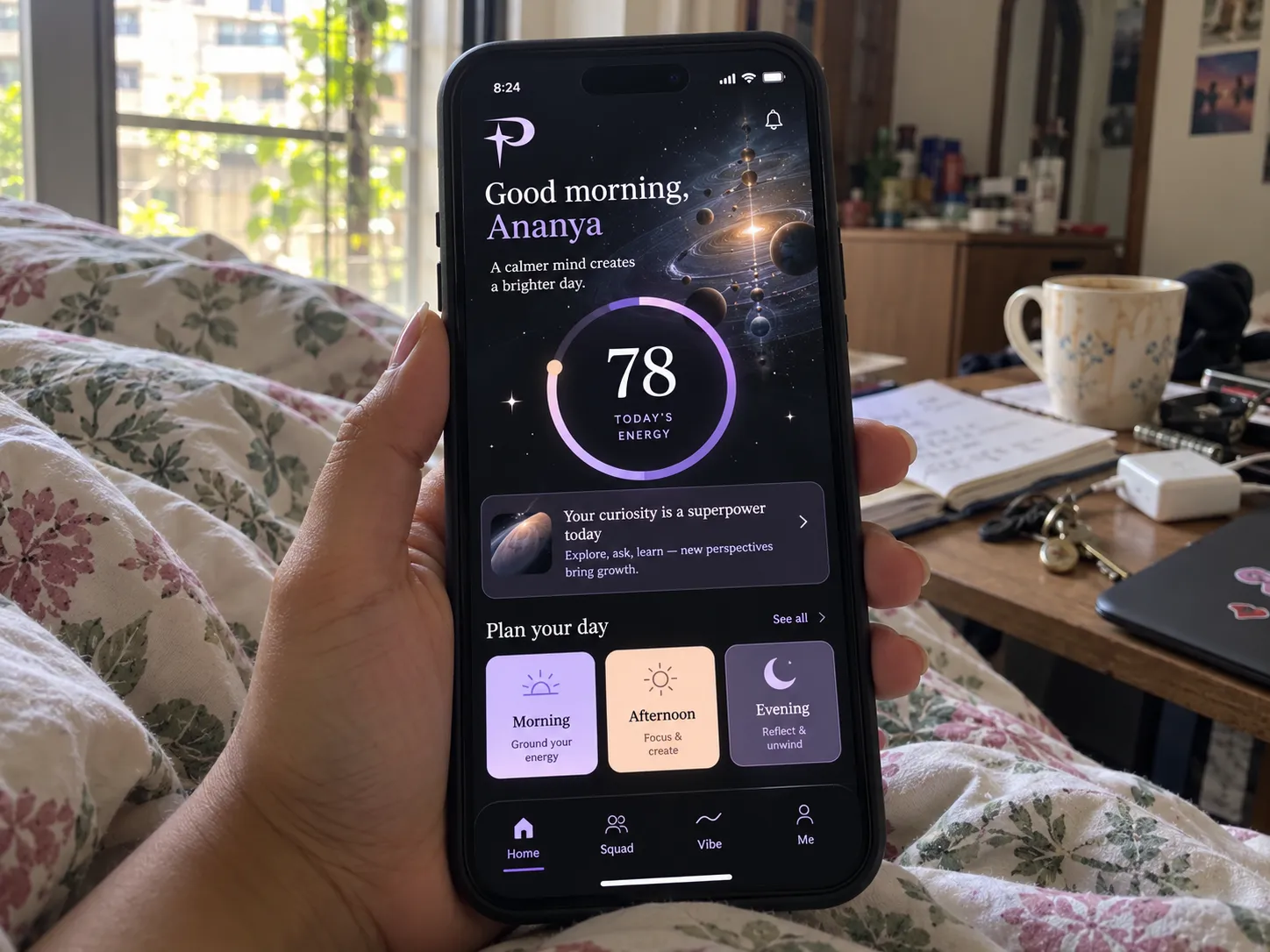
- Apps in production. Kahani Play has passed 500,000 downloads across more than 70 releases, Bookvy has 10,000+, and Pulse, a React Native app with real-time group chat, is live on Google Play.
- Support after launch. An app maintenance plan keeps the app working through each new iOS and Android release.
There's more on how this works for your market on my pages for hiring an app developer in the USA and working with UK businesses. If you'd like a real number rather than a range, tell me what you're building and I'll come back with an estimate.