I'm a mobile developer in Mumbai, and most of my clients are founders in the US and UK. So I see outsourcing from the other side of the call. The founders who have a great experience aren't lucky. They pick the right kind of partner, put a few simple protections in place, and run the project in a way that suits the time difference.
This guide is everything I'd tell a friend in New York or Austin before they hire anyone in India, including me.
Why US founders outsource to India
- Cost. Senior developers in India typically charge $35 to $60 an hour, against $110 to $150 for a senior US freelancer. On a full app that's often a 50 to 70 percent saving.
- Talent pool. India has one of the largest pools of mobile developers in the world, with deep experience in Flutter, React Native, Android and iOS.
- English. Business in Indian tech runs in English, so specs, calls and code reviews work without translation.
- Overnight progress. You send feedback at the end of your day and wake up to it done.
For the full cost comparison, see app development cost in the USA and UK and app developer hourly rates.
Who to hire: three options
| Option | Typical rate | Best for | Watch out for |
|---|---|---|---|
| Large agency | $25 – $50/hr | Big scopes needing a whole team | Senior sells, juniors build |
| Marketplace freelancer | $15 – $40/hr | Small, well-defined tasks | Disappearing mid-project, uneven quality |
| Senior independent developer | $35 – $60/hr | First versions, focused apps, ongoing work | Limited capacity, one person to rely on |
For most startups building a first version, a senior independent developer or a small studio gives the best balance of cost, quality and direct communication. A large agency makes sense when you need six people for a year. I compare these in more depth in freelance app developer vs agency.
How to vet a developer in India
- Download their live apps. Ask for App Store and Google Play links to apps they built and still maintain. Check reviews and update history.
- Talk to the builder. Speak to the person who will actually write your code, not just the salesperson.
- Ask how they'd build your app. A good developer asks questions back about users, payments and scale. A weak one says yes to everything.
- Check references. Ask for one or two past clients, ideally in the US or UK, and actually email them.
- Start with a paid slice. A small paid first milestone, like the designs or one core feature, tells you more than any interview.
Contracts: what to sign
- Statement of work. A screen-by-screen feature list, timeline and price. Vague scope is where outsourcing projects go wrong.
- IP assignment. All code, designs and content assigned to your company on payment. Non-negotiable.
- NDA. Standard. Any serious developer signs yours without fuss.
- Governing law. Many US founders choose their home state's law. Indian developers working with US clients are used to this.
- Milestone payments. Tied to things you can test: designs, a first build, payments working, store launch.
- Exit clause. What happens if either side wants to stop: handover of code, accounts and documentation.
Own everything from day one: the code repository, the Apple and Google developer accounts, the servers and the domain, all in your company's name. Then no partner can ever hold your app hostage.
Payments and taxes
Paying an Indian developer is routine. Most invoice in USD and accept wire transfer, ACH through a service like Wise, or card through Stripe. Pay per milestone, never most of it up front.
On the US tax side, a foreign contractor doing the work outside the US usually gives you a Form W-8BEN (or W-8BEN-E for a company), and you generally don't issue a 1099. On the Indian side, exports of services are typically zero-rated for GST, so you shouldn't see Indian tax added to your invoice. Confirm the details with your accountant, but it's normally simple.
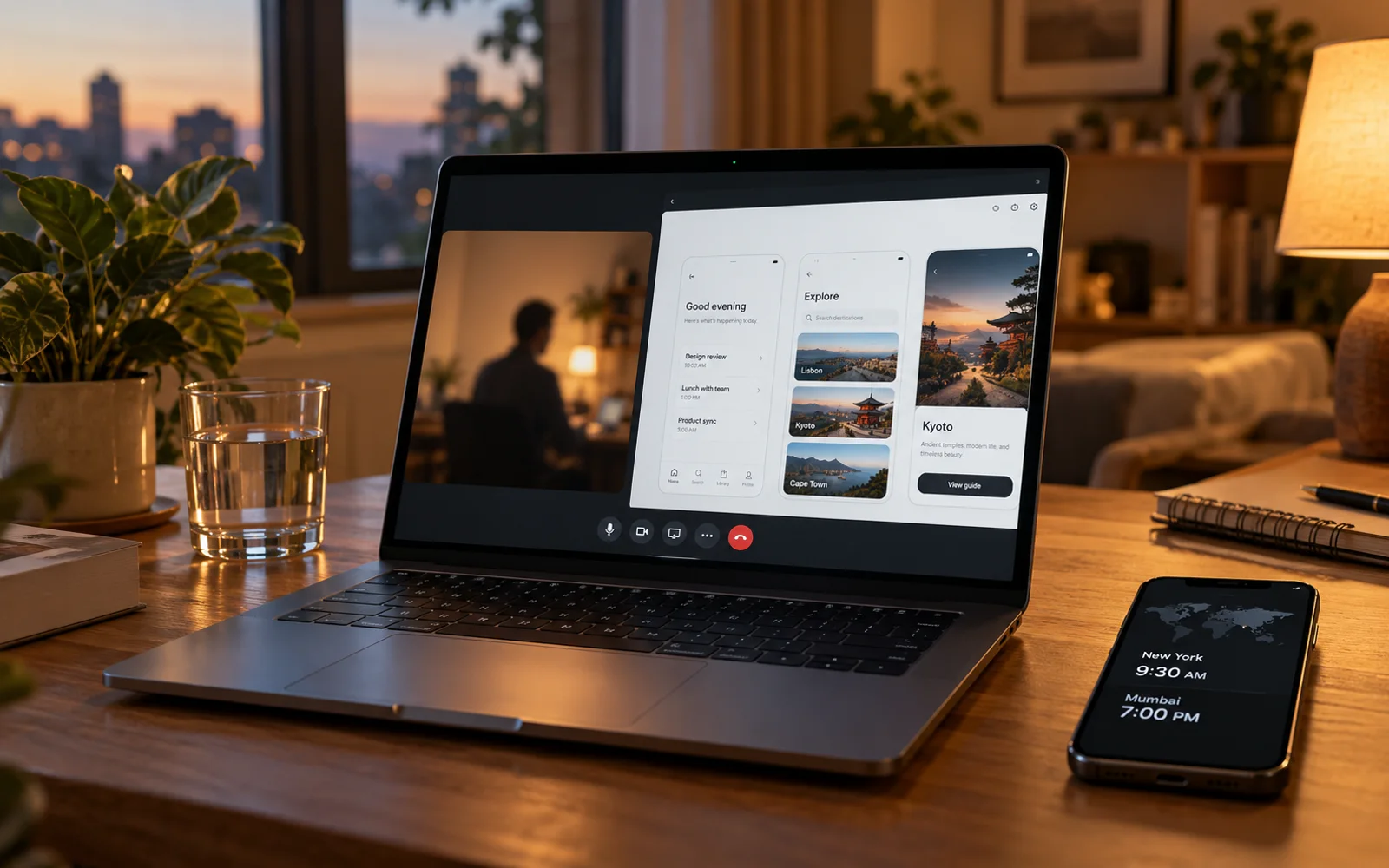
Working across the time difference
| Your time zone | Your 9am is, in India | Good overlap window |
|---|---|---|
| US Eastern (EDT, summer) | 6:30pm | Your 8–11am |
| US Eastern (EST, winter) | 7:30pm | Your 8–10am |
| US Central | 7:30pm / 8:30pm | Your 7–10am |
| US Pacific | 9:30pm / 10:30pm | Your early morning, scheduled ahead |
- One weekly call at a fixed time, usually your morning and the developer's evening.
- Written updates a few times a week, with a test build you can install on your phone.
- One shared place for decisions, like a Notion page or a Slack channel, so nothing waits on a call.
The mistakes I see most
- Choosing purely on the lowest quote, then paying again for a rewrite.
- Skipping a written scope because 'they understood the idea on the call'.
- Letting the developer own the store accounts or the code repository.
- Paying 50 percent or more up front.
- Going silent for weeks, then being surprised by what was built.
How I work with US founders
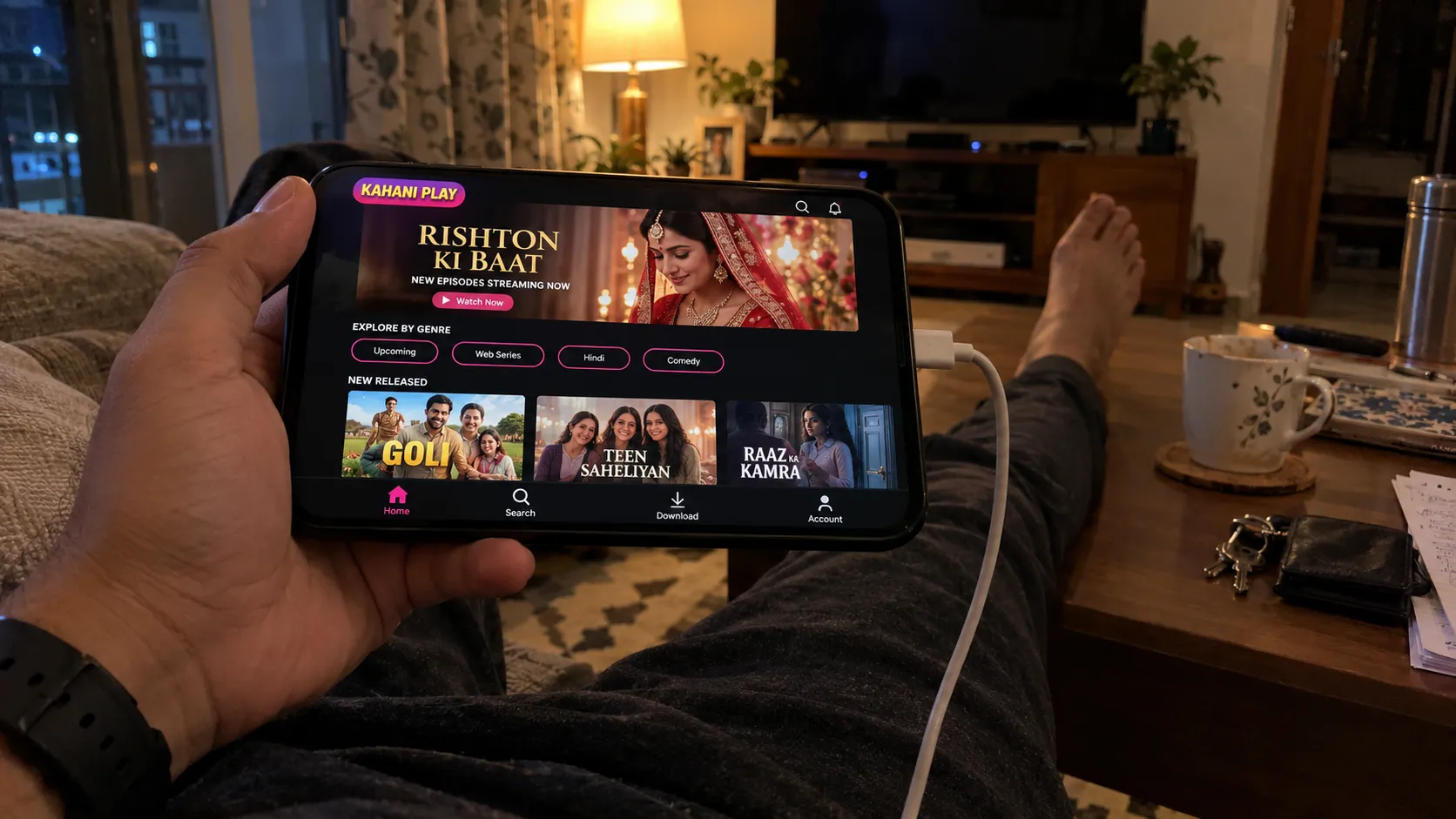
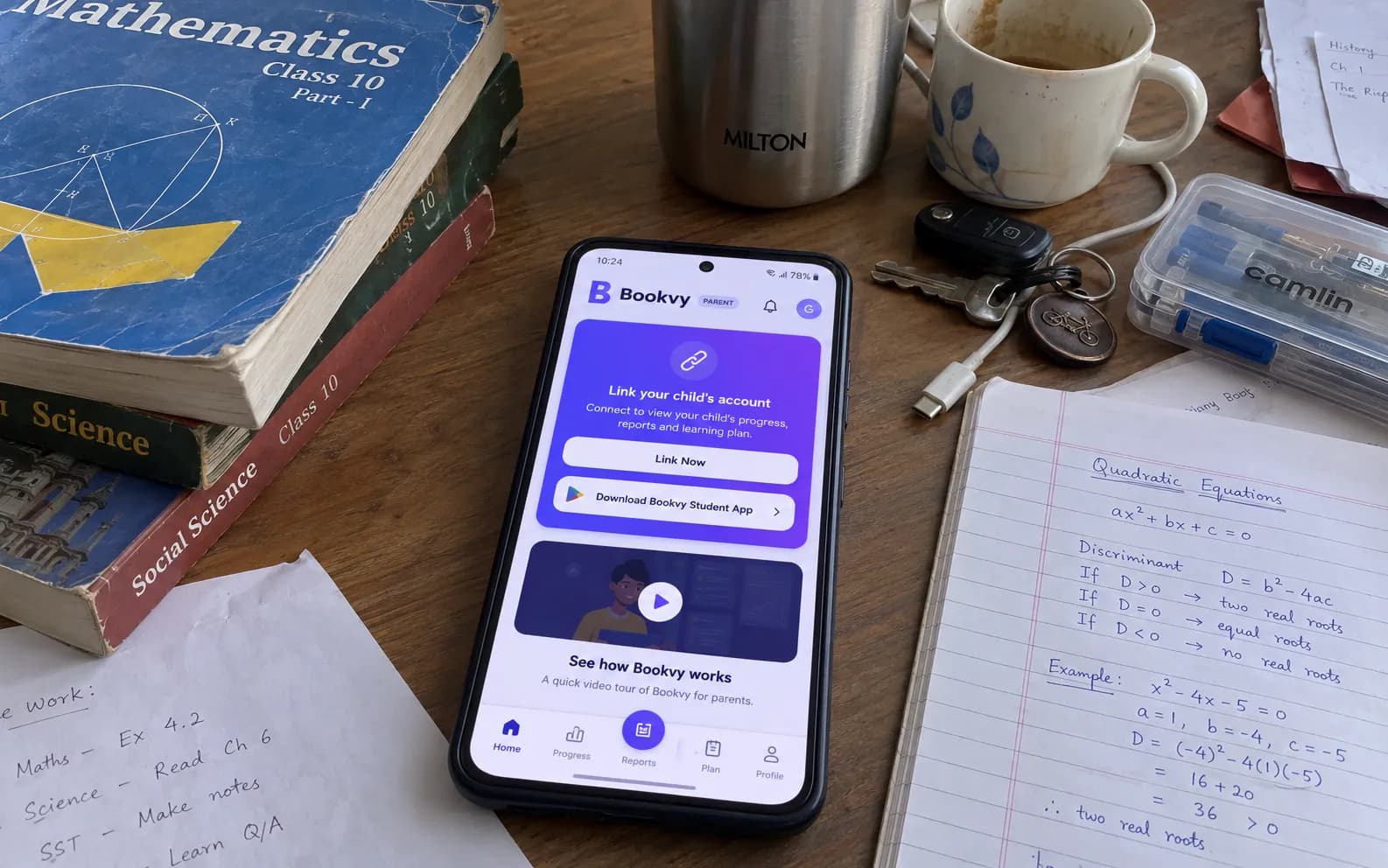
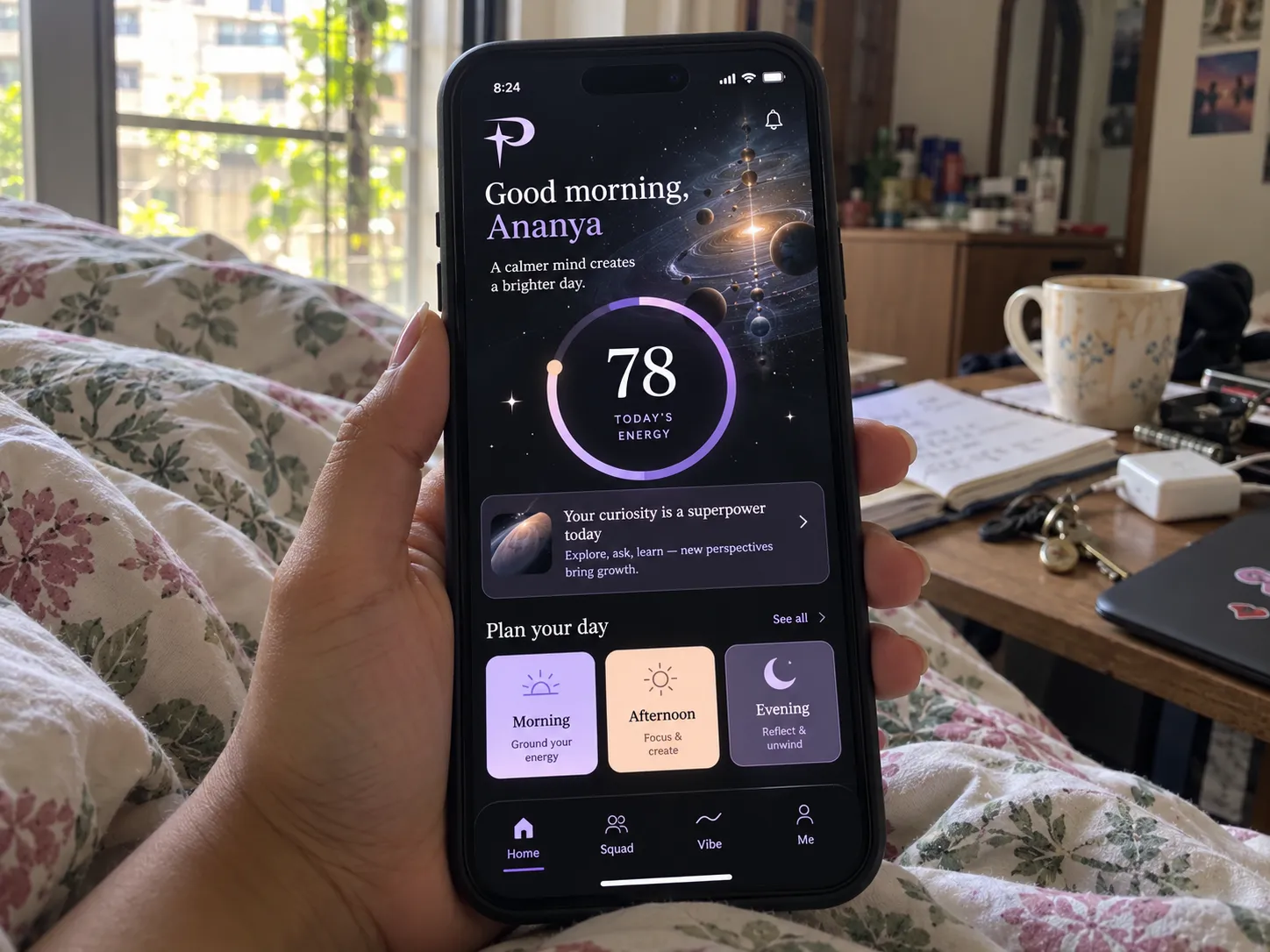
I'm a senior independent mobile developer and designer in Mumbai. I build iOS, Android, Flutter and React Native apps, and you deal with me directly, from the first call to launch and after. You get a fixed-scope proposal in USD, milestone payments, a test build most weeks, your code in your own repository, and an IP assignment in the contract. Apps I've shipped include Kahani Play with over 500,000 downloads, Bookvy and Pulse.
There's more on my hiring page for US startups. If you'd like a fixed price for your app, tell me what you're building.