Search for an app development company in Mumbai and you get hundreds of results, most with the same stock photos, the same 'top rated' badges and the same promise of an expert team. From the outside they look identical. The differences only show up once you've paid an advance, and by then they're expensive.
I'm an independent full-stack developer based in Mumbai. I build websites, web apps, backends and mobile apps, and I've been doing it for 3+ years. So I'm one of the options you'll be comparing, and I'll say that up front. The checklist below is the one I'd use if I were hiring, and you can hold me to it as well.
Your four options in Mumbai
Almost every vendor you'll meet falls into one of four groups. The label on the website matters less than how many people actually work there and who writes the code.
- Large agency. Fifty people or more, often with an office in Andheri, Powai, BKC or Navi Mumbai. Sales team, project managers, designers, QA. Good for big, multi-team builds and companies that need vendor paperwork.
- Small studio. Two to ten people, usually a founder who still codes or designs, plus a few developers. Often the sweet spot for a business that wants design, backend and app under one roof.
- Independent developer. One senior person who designs, builds and launches the product, sometimes bringing in a specialist for a few weeks. Direct contact and lower overheads, with the risk that it all depends on one person.
- Offshore or white-label team. A Mumbai front office that sends the work to developers elsewhere, sometimes to another company entirely. Cheapest on paper, hardest to hold accountable.
None of these is the right answer for everyone. A bank rolling out an app to millions of customers needs an agency. A clinic in Dadar that wants online bookings probably doesn't. I go through the trade-offs in more depth in freelance app developer vs agency.
What it costs in Mumbai, in rupees
Mumbai rates sit at the upper end of the Indian market, mainly because office rent and salaries are higher here. These are rough 2026 ranges for a first version, not price lists. They match the numbers in my other cost guides.
| Project | Independent developer | Small studio | Large agency |
|---|---|---|---|
| Business website, 5 to 8 pages | ₹15,000 – ₹75,000 | ₹50,000 – ₹1.5 lakh | ₹1.5 lakh and up |
| Custom web app, portal or CRM | ₹1.5 – ₹5 lakh | ₹3 – ₹8 lakh | ₹6 – ₹15 lakh+ |
| Simple mobile app | ₹60,000 – ₹2 lakh | ₹2 – ₹5 lakh | ₹5 lakh and up |
| App with login, payments and backend | ₹1.5 – ₹5 lakh | ₹3 – ₹8 lakh | ₹6 – ₹15 lakh+ |
| Hourly rate, if they bill by the hour | ₹1,000 – ₹3,000 | ₹1,500 – ₹3,500 | ₹2,500 – ₹6,000 |
Offshore teams can quote below the independent column, but the quote rarely includes the rework. The detail behind the website numbers is in website development cost in India.
For mobile apps, the screen count matters less than the backend, the payments and the number of user types. That breakdown, with a worked example, is in app development cost in India.
Compare quotes line by line, not by the total. A ₹1.2 lakh quote that leaves out the admin panel, the backend and the store launch is not cheaper than a ₹3 lakh quote that includes them.
How to build a shortlist
Start with five or six names, from referrals, Google and LinkedIn, and cut them down with three checks. This takes an evening and removes most of the risk.
- Live work you can open. Ask for websites you can visit today and apps you can install from Google Play or the App Store. Open them on your own phone. Mockups and Dribbble shots prove someone can design, not that they can ship.
- Who writes the code. Ask for the names of the people who would work on your project and how long they've been there. If the answer is a vague 'the team', ask again. If the work goes to a subcontractor, you want to know now.
- References you can call. One or two past clients who will take a ten-minute call. Ask whether deadlines were met, what happened when something broke, and whether they'd hire the same people again.
Be fair about live work on client projects. A store listing or website footer usually shows the client's name, not the developer's, and that's correct. A genuine developer can still show you their access, walk you through the code or put you in touch with the client.
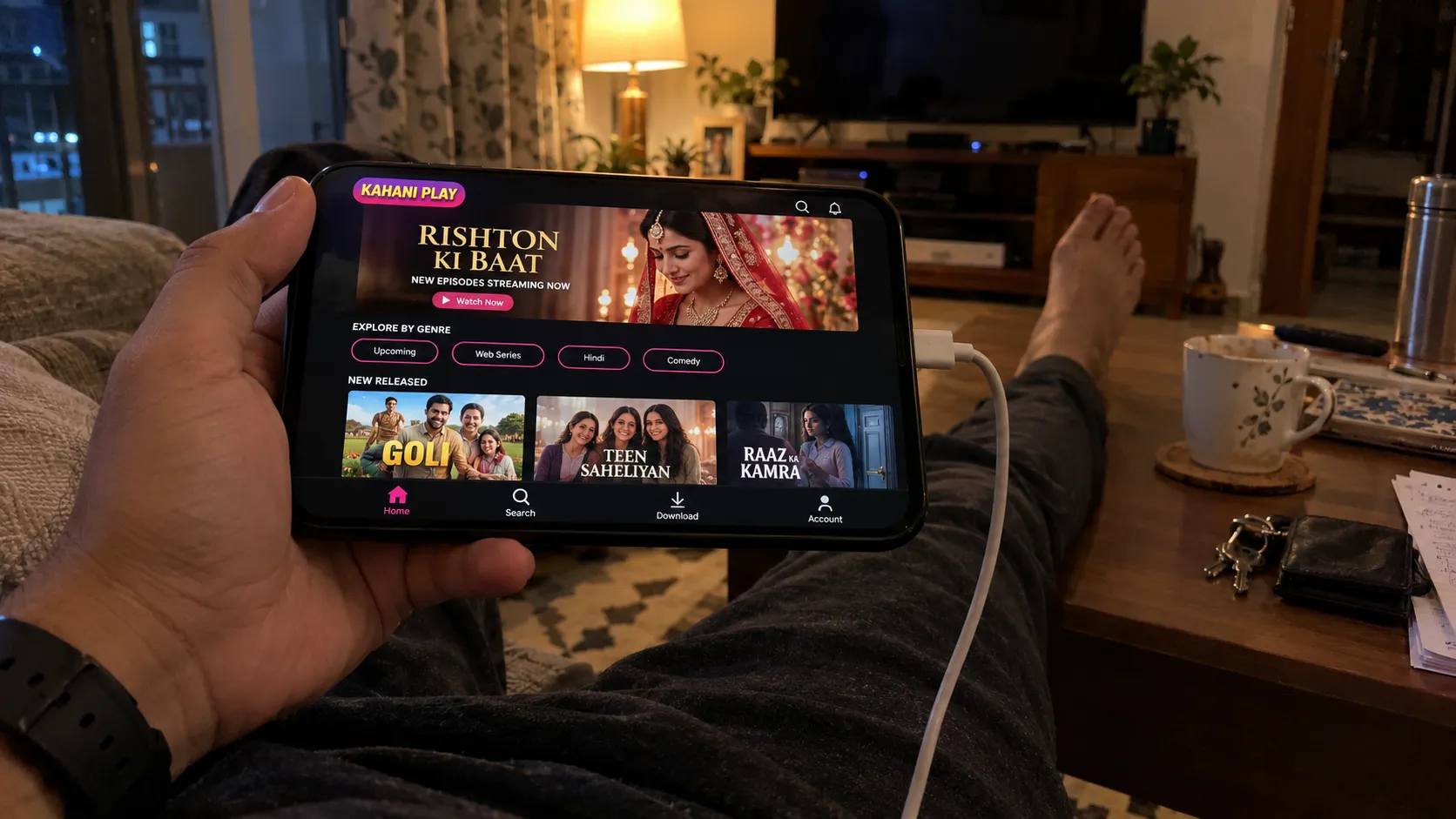
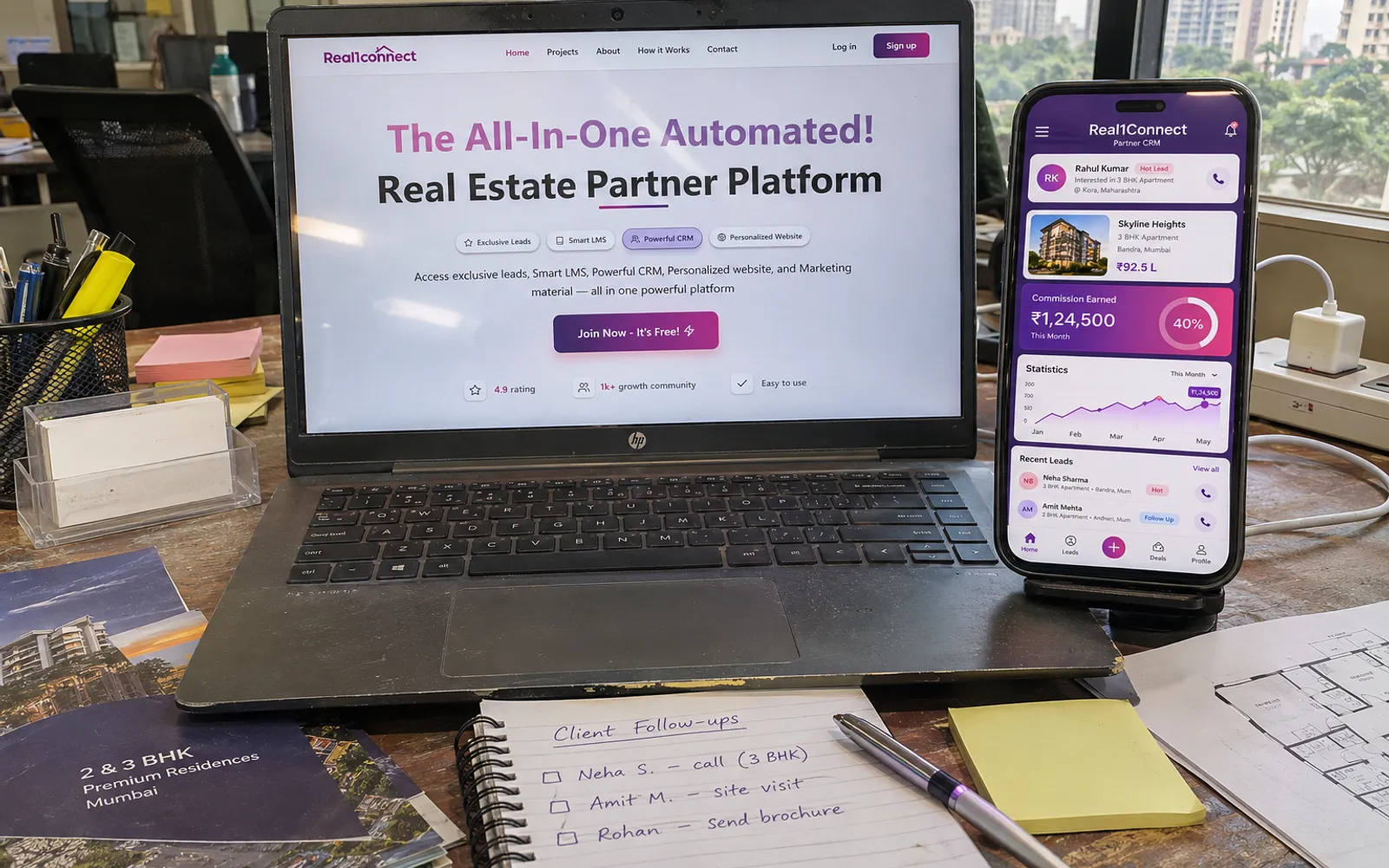
You can run the same checks on me. My work page links to live projects, including Kahani Play, a Flutter streaming app with 500,000+ downloads, and Real1Connect, a real estate platform where I was a full-stack developer on the development team.
Questions for the first meeting
Take these to the first call or coffee. A good vendor answers them quickly and specifically. Vague answers are information too.
- What exactly did you build on each project you've shown me: design, frontend, backend, or all of it?
- Who will I talk to every week, and is that the person writing the code?
- What's included in the price: design, backend, admin panel, hosting setup, store launch, content entry?
- Which tech stack do you suggest for this, and why for my project in particular?
- How will I see progress? How often do I get a link or a test build I can try?
- Who owns the code, the domain, the hosting and the app store accounts?
- What happens after launch? Is there a warranty period, and what does monthly maintenance cost?
- How do you price changes if I add a feature halfway through?
If you want a longer version of this list with what good answers sound like, it's in how to hire an app developer in India.
Red flags to walk away from
- No live work. Only screenshots, mockups or links that no longer open.
- A vague quote. One number with no feature list, no screen list and nothing about what's excluded.
- Code and accounts not in your name. The domain, hosting, Google Play Console, Apple developer account or code repository registered to the vendor. You should own all of them, with the vendor added as a team member.
- A cheap fixed price with no scope. A low number quoted before anyone has asked a real question about your business. The gap gets filled later with change requests.
- Most of the money upfront. More than half before you've seen anything working.
- A 'ready-made solution'. Often a clone script with your logo on it, which nobody can maintain once the vendor moves on.
- A different team after you sign. Senior people in the pitch, unfamiliar juniors on the project.
If you remember one thing: the domain, the code repository, the hosting and the app store accounts should be in your company's name from day one. Everything else can be fixed later. Getting those back from an unhappy vendor often can't.
Contracts, ownership and GST invoices
You don't need a long agreement, but a few things should be in writing before any money moves. These protect the vendor as much as you, because nobody argues about what 'done' means.
- Scope. A feature and page list, with what's not included. Changes are priced separately.
- Milestones. A common split is 40 percent to start, 30 percent at a working beta and 30 percent at launch, each tied to something you can test.
- IP transfer. Code, designs and content transfer to your company as each milestone is paid.
- Accounts. A list of every account the project uses and whose name it's in.
- Warranty and maintenance. A period after launch when bugs in the agreed scope are fixed free, and a monthly price after that.
- NDA. If your idea or data is sensitive, sign one before you share the details.
On GST: software and IT services are charged at 18 percent GST as of 2026. A GST-registered vendor gives you a tax invoice with their GSTIN, and if your business is registered too, you can usually claim that GST back as input tax credit. Vendors below the turnover threshold don't have to register, so ask early whether the quote is plus GST, inclusive of GST, or GST-free, because that's an 18 percent difference on the total.
Payments are normally by bank transfer or UPI against the invoice. If your app takes payments itself, plan for a gateway such as Razorpay, which charges its own per-transaction fees on top of the build cost.
Meeting in person vs working remotely
Hiring locally in Mumbai has one real advantage: you can sit across a table at the start. A kickoff or a design review in person often settles in an hour what takes a week of calls. It also makes it easier to judge who you're dealing with.
Past the kickoff, most of the work runs remotely anyway, even with a vendor down the road. What matters more is the rhythm: a weekly update, a link or test build you can try on your own phone, and written decisions. A developer in Pune or Bengaluru with that rhythm beats a Mumbai agency without it. Mumbai traffic also means a meeting in Lower Parel can cost a Thane-based vendor half a day, so keep in-person sessions for the moments that need them.
Comparing the options side by side
| Large agency | Small studio | Independent developer | Offshore team | |
|---|---|---|---|---|
| Price | Highest | Middle | Lower | Lowest on paper |
| Who writes the code | Assigned team, often junior | Founder plus a few developers | The person you hired | Often unknown |
| Communication | Through a project manager | Usually direct | Direct | Through a coordinator |
| Parallel work | Strong | Some | Limited to one person | Varies |
| Continuity if someone leaves | Good | Fair | The weak spot, plan for it | Poor |
| Meet in person | Yes | Usually | Yes, if local | Rarely the builders |
| Best for | Large, multi-team builds | Design, web and app together | MVPs, focused apps and web apps | Tight budgets with a technical buyer |
If an independent developer fits your project, I'd be glad to be on your shortlist. My page for Mumbai businesses covers how I work in the city, and the web app development page covers portals, CRMs and SaaS. Run me through the same checklist as everyone else. When you're ready, send me a short brief and I'll reply within one working day with honest thoughts, including if I think an agency would suit you better.