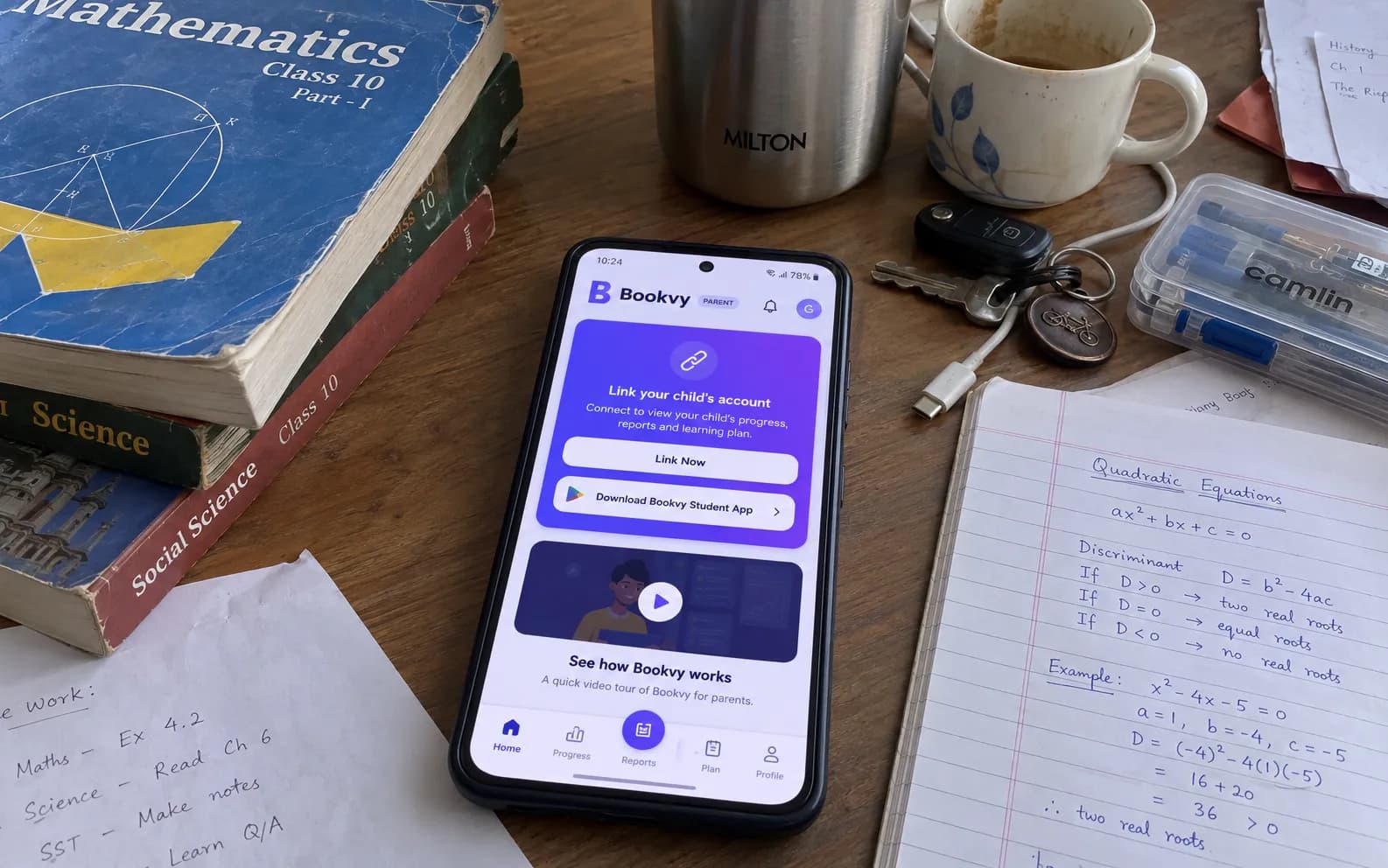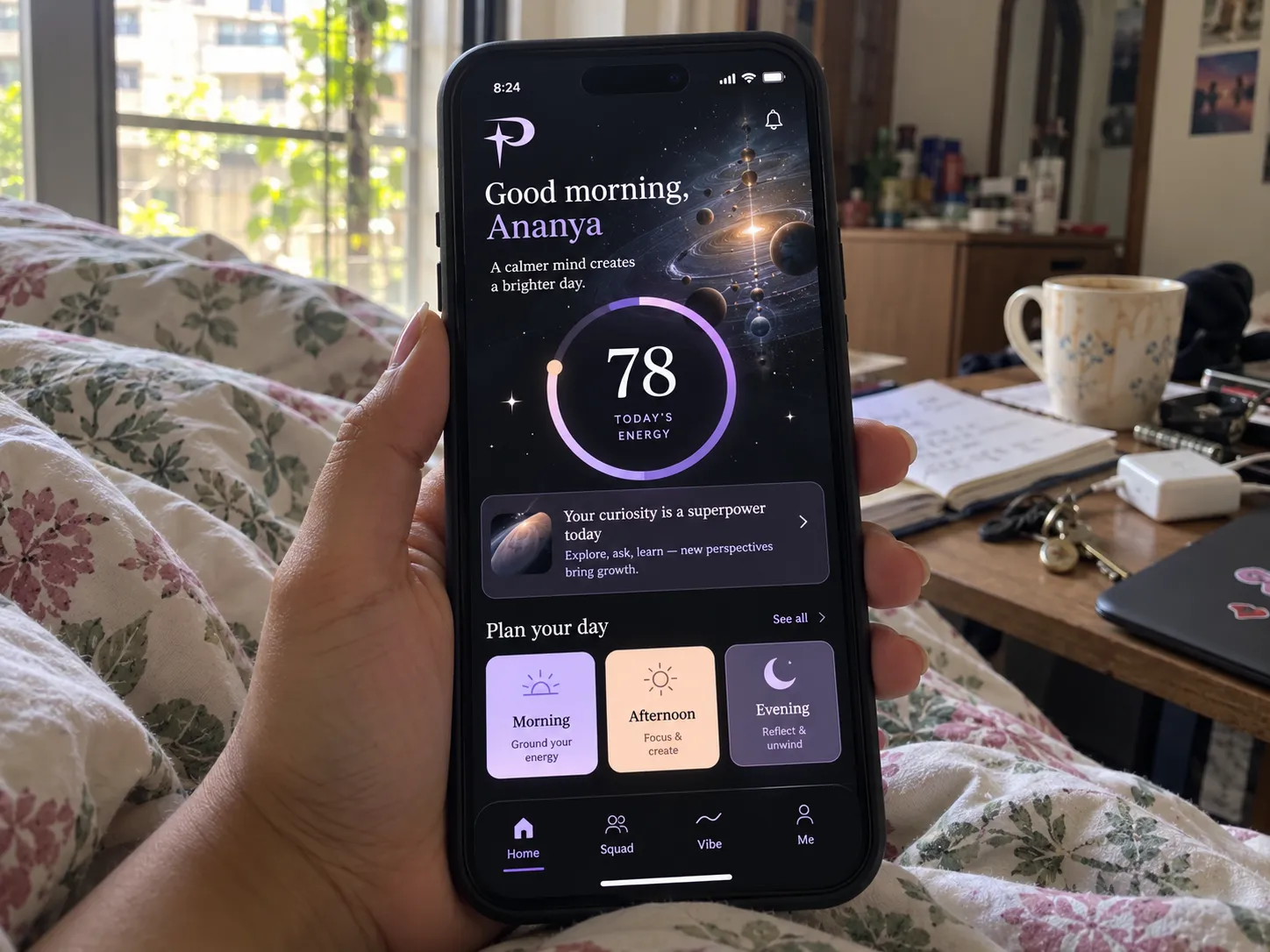
I'm an independent full-stack developer in Mumbai. I build business sites, custom web apps, dashboards and stores in Next.js, and I write the NestJS and FastAPI backends behind apps like Kahani Play, Bookvy and Pulse. I've also built more than 30 Shopify stores over three years. So when someone asks what a website costs, my honest first answer is: which kind of website?
A portfolio and a client portal are both called websites, and one can cost fifty times the other. This guide splits them into five types, gives typical ranges for each, and explains what moves a quote up or down.
Typical website development cost in India by type
These are the ranges I see from experienced freelancers and small studios in 2026. Agencies usually sit at the top of each range or above it. Gig-site offers sit below, often with the problems described later in this guide.
| Type | What it usually includes | Typical cost (INR) | Approx. USD | Typical timeline |
|---|---|---|---|---|
| Simple business or portfolio site | 5 to 8 pages, contact form, WhatsApp button, basic SEO, mobile layout | ₹15,000 – ₹75,000 | $180 – $900 | 1–3 weeks |
| Content site with a CMS | Blog or resources section, 15 to 40 pages, editable by your team, custom design | ₹50,000 – ₹2 lakh | $600 – $2,400 | 3–6 weeks |
| Ecommerce store | From a theme store to a custom headless storefront with payments and shipping | ₹15,000 – ₹12 lakh+ | $180 – $14,000+ | 2–8 weeks |
| Custom web app, portal or dashboard | Login and roles, database, admin panel, reports, one or two integrations | ₹1.5 – ₹10 lakh | $1,800 – $12,000 | 6–16 weeks |
| SaaS MVP | Sign-up, teams or accounts, subscription billing, core feature, admin, emails | ₹1.5 – ₹15 lakh | $1,800 – $18,000 | 6–16 weeks |
Business and portfolio sites
A clinic, a CA firm, an architect or a manufacturer usually needs a handful of pages that load fast, look credible on a phone and get enquiries onto WhatsApp or email. The low end is a template with your content dropped in. The high end is a custom design with proper copywriting help and a little animation.
Content sites with a CMS
Once you plan to publish regularly, you need a CMS so your team can add posts and pages without a developer. Cost goes up with the number of page templates, not the number of pages. Forty blog posts on one template are cheap. Eight different page layouts are not.
Ecommerce stores
The spread here is the widest of any type, because a store can be a configured theme or a fully custom storefront. I've broken those prices down in detail in Shopify developer cost in India, so I won't repeat them. HEIR is an example of the top end: a custom Next.js storefront on Shopify, with the client still running products and orders from Shopify admin.
Web apps, portals and dashboards
This is software that happens to run in a browser: a dealer portal, a booking system, an internal dashboard, a student or patient login. Most of the cost sits in the backend, the data model and the admin side, not in the pages people see. That work is what my backend development service covers.
SaaS MVPs
A SaaS product adds accounts, subscription billing, emails, usage limits and an admin view of every customer. The first version should prove one feature that people will pay for. I go through SaaS pricing and scope in more depth in SaaS web app development cost.
Before comparing any quotes, decide which of these five types you are buying. Most confusing quotes come from two developers pricing two different types of site for the same brief.
What drives the cost
When I price a website, these are the items I'm counting. Ask any developer to break their quote down along the same lines.
- Design. A template is cheap. A custom design with a page-by-page layout in Figma is where real design cost starts, and it is usually worth it for a brand that sells on trust.
- Number of unique page templates. Home, about, service, case study, blog post and contact are six templates. Each one needs designing, building and testing on phones.
- CMS. Letting your team edit content means setting up the CMS, defining the fields and making sure an edit can't break the layout.
- Integrations. Razorpay or another payment gateway, WhatsApp Business messages, a CRM like Zoho or HubSpot, Google Sheets, shipping or accounting software. Each is typically a few days of work plus testing.
- Login and roles. The moment users log in, you need password resets, OTP or Google sign-in, permissions and a way to handle personal data properly.
- Admin panel. Your team will want to see enquiries, orders, users and reports without asking a developer. On a web app this can be a third of the build.
- Performance and SEO. Fast loading on a mid-range Android phone over 4G, clean URLs, metadata, structured data, a sitemap and redirects from the old site. Cheap builds often skip this.
- Content. If you don't have copy and photos ready, someone has to write or source them, and that time is billed or it delays launch.
WordPress, Webflow, Framer, custom Next.js or Shopify
The platform shapes both the build price and the running cost. None of these is the right answer for everyone, so here is when I'd pick each one.
| Option | Makes sense when | Watch out for |
|---|---|---|
| WordPress | You want a blog-heavy site, a large pool of developers and many plugins | Plugin bloat, slow pages and security updates that someone has to keep doing |
| Webflow or Framer | A marketing site your team edits visually, with no custom logic | Monthly plan fees in dollars, and limits once you need logins or complex data |
| Custom Next.js | Web apps, portals, SaaS, or a marketing site where speed and SEO matter a lot | Needs a developer for structural changes; pair it with a headless CMS for content |
| Shopify | You are selling products online and want checkout, payments and orders handled | Monthly plan, app fees and Shopify's transaction fee on external gateways in India |
For a five-page business site with no plans to grow, a well-built WordPress, Webflow or Framer site is often the sensible spend. I'd only push for custom code when the site has to do something: log people in, pull data from a system, or rank in search against serious competition.
For stores, Shopify is usually the starting point because checkout, payments and order management are already solved. If your store needs a custom front end, my Shopify development builds pair a Next.js storefront with Shopify's checkout.
Running costs after launch
A website keeps costing money after it goes live. These are the lines I put in every budget so nobody is surprised a few months in. Prices change, so check current plans before you commit.
| Item | Typical cost | Notes |
|---|---|---|
| Domain | A few hundred to ₹1,500 a year | .in and .com are both cheap; register it in your own name |
| Hosting (Vercel, Netlify) | Free to a few thousand rupees a month | Free tiers have usage and commercial-use limits; business sites usually need a paid plan |
| Hosting (VPS or managed WordPress) | ₹500 – ₹5,000 a month | A VPS is cheap but someone has to patch and back it up |
| Business email | A few hundred rupees per user per month | Google Workspace or Zoho Mail |
| Platform plans | Varies | Webflow, Framer and Shopify all charge monthly |
| Maintenance | ₹2,000 – ₹15,000 a month for most small sites | Updates, backups, fixes and small content changes |
For web apps and SaaS, maintenance behaves more like app maintenance: plan for roughly 15 to 20 percent of the build cost each year, plus servers and third-party services. I explain how that number is made up in app maintenance cost.
Freelancer or agency
Rates explain most of the gap between quotes. I have compared app and web developer hourly rates across the US, UK, Europe and India if you want to sanity-check a number.
An agency gives you a team and a project manager, which helps when several departments sign off on one site. You also pay for that structure, and the person writing your code may be the most junior one on the team.
An experienced freelancer usually costs less and you speak directly to the person building the site. The risk is depending on one person, so ask how handover works and who owns the code and accounts. I wrote up the full tradeoff in freelance developer vs agency.
Red flags in a cheap website quote
- A single number on WhatsApp with no written scope. You will argue later about what was included.
- The domain or hosting in the developer's name. Register both in your name from day one, so you can move developers without losing the site.
- "Custom design" without seeing a design first. Ask for the layout before the build starts, and ask which template it is based on.
- No mention of mobile testing, speed or SEO basics. Most Indian visitors arrive on a phone. A site that's slow on 4G loses them.
- A web app with logins and payments at a brochure-site price. Either the scope is missing pieces, or the security work is.
- No handover. You should get the code, the CMS logins, the hosting access and a short note on how it all fits together.
Compare quotes line by line, not by the total. A ₹30,000 quote that leaves out content entry, speed work and the contact form setup can cost more than a ₹60,000 one that includes them.
How to brief a developer so the quote is accurate
A clear brief gets you a firm price faster and makes quotes from different developers comparable. Send this before the first call:
- What the site has to achieve. Enquiries, sales, bookings, or a tool your team or customers use daily.
- A page list or feature list. Even a rough one. For web apps, list who logs in and what each type of user can do.
- Two or three sites you like, and what you like about each.
- Integrations. Payments, WhatsApp, CRM, accounting, or any existing system the site must talk to.
- Content status. Whether copy, photos and product data are ready or still to be made.
- Budget range and deadline. A range lets the developer suggest what fits, instead of guessing.
If the product is mostly an app, the numbers in app development cost in India will fit better. If it's a new product and you want to launch a first version quickly, my MVP development service is built around a fixed first scope.
I quote a fixed price and a fixed scope before any work starts, and I reply to every enquiry within one working day. Send me your brief and I'll tell you which type of site you need and what it should cost.