React Native rates follow the general mobile market closely, so the regional bands below are the same ones in my main guide to app developer hourly rates. What's different about React Native is the spread inside each band. A developer who only knows Expo's managed workflow and one who can write a native module in Swift and Kotlin both call themselves React Native developers. They are not the same hire, and they don't charge the same.
I'm a senior independent developer in Mumbai. I build in both React Native and Flutter, mostly for founders in the US and UK, so I'll say where I sit as we go.
React Native rates by region and seniority
| Who builds it | Junior | Mid-level | Senior |
|---|---|---|---|
| US agency | $100 – $130 | $130 – $170 | $170 – $200 (top firms $250+) |
| US freelancer | $60 – $80 | $80 – $110 | $110 – $150 |
| UK agency (per hour) | £70 – £95 | £95 – £125 | £125 – £150 |
| UK freelancer (per hour) | £45 – £60 | £60 – £80 | £80 – £100 |
| Eastern Europe | $40 – $50 | $50 – $65 | $65 – $80 |
| Latin America | $35 – $45 | $45 – $60 | $60 – $85 |
| India agency | $20 – $30 | $30 – $40 | $40 – $50 |
| India independent | $20 – $30 | $25 – $40 | $35 – $60 |
UK freelancers often quote a day rate instead, roughly £350 to £750 for mobile work, with London at the top. Latin America is popular with US companies for time-zone reasons: a developer in Mexico City or Buenos Aires works most of the US day, and that overlap is part of what you're paying for. India and Eastern Europe overlap less with the US but cover the UK and European working day well.
If you're in a specific market, I've written about hiring an app developer in the USA and in the UK, and about hiring from India in more depth.
What each level can actually do
- Junior. Builds screens from a design, connects to an API, uses popular libraries as documented. Good on a team with a senior reviewing the work. Not someone I'd hand a whole app to.
- Mid-level. Owns features end to end, knows React Query or a similar data layer, handles navigation, forms, push notifications and a store release. Can get stuck when a library breaks after an upgrade or a crash only happens in a release build.
- Senior. Makes the architecture calls, writes native code when a library doesn't exist, upgrades React Native versions without a two-week stall, and knows where Apple and Google review rules will bite. Also tells you which features to cut.
React Native has one trap that's easy to miss: because it's JavaScript, plenty of web React developers move into mobile and price themselves as senior based on their web years. Web experience does help. But mobile has its own failure modes (memory on cheap Android phones, background limits, app store review) and those take a few shipped apps to learn.
What changes the rate on a React Native project
Expo managed workflow vs bare React Native
Most new React Native apps I'd start today use Expo. You get EAS Build for store builds, EAS Update for pushing small fixes without a store review, and a large set of maintained native libraries. It cuts hours, so a project on Expo usually costs less in total even if the hourly rate is identical. When a project needs native code Expo doesn't cover, you add it through config plugins or a development build, and that's where a developer's native skills start to show up in the price.
Bare React Native, where you manage the iOS and Android projects yourself, still makes sense for some apps: heavy native SDKs, an existing native app you're adding React Native into, or unusual build requirements. Expect a senior rate for this work, or more hours at a mid-level rate.
Native modules
If your app needs Bluetooth hardware, a payments SDK with no React Native wrapper, background location, a custom camera pipeline or anything else that lives below JavaScript, someone has to write Swift and Kotlin. Developers who can do that comfortably sit at the top of their regional band. Developers who can't will either quote you hours for learning on your project or quietly pick a third-party package that's been abandoned for two years.
Upgrades and the new architecture
React Native moves fast. Older apps that haven't moved to the new architecture, or are several versions behind, can take real time to bring up to date, especially with outdated libraries in the mix. Rescue and upgrade work is often billed at senior rates because a junior can make it worse. If you're inheriting an app, ask for an upgrade estimate separately from new features.
Shared code with your web app
One of React Native's real advantages is sharing types, API clients and validation with a React or Next.js site. A developer who can set that up well (a monorepo, shared packages, one source of truth for types) is worth paying a bit more for, because it saves your web team time every week afterwards.
Ask every developer whether they'd build your app on Expo or bare React Native, and why. A clear answer tied to your features tells you more about their seniority than their CV.
React Native vs Flutter vs native rates
At the same level and in the same market, React Native and Flutter developers charge about the same. I don't see a reliable premium for either. React Native developers with strong web React skills sometimes charge slightly more because they can work across your website too. Native Swift and Kotlin developers often charge a little more again, but you need two of them, or one person writing two codebases.
So the choice of framework rarely changes the hourly rate much. It changes the hours. My Flutter vs React Native guide covers which one fits which kind of app, and if you're hiring Flutter developers in India specifically, see Flutter developer hourly rates in India.
How to compare React Native quotes
When I review quotes for founders, the same problems come up. Here's how I'd line them up:
- Make everyone quote the same written scope. A screen list and a feature list. Without one, you're comparing guesses.
- Ask for a fixed price, not just a rate. For a first version, a fixed price split into milestones forces the developer to think the project through and lets you compare totals.
- Check Expo or bare, and why. If two quotes differ a lot, this is often the reason.
- Ask who handles builds and releases. EAS setup, signing, store listings, TestFlight and Play Console testing. Some quotes leave all of it out.
- Ask about over-the-air updates. Whether EAS Update is set up, and how it's used within Apple's and Google's rules.
- Ask what's included after launch. A warranty period for bugs, then what a month of maintenance costs. React Native apps need regular upgrades to stay healthy.
- Install something they shipped. A live React Native app on your own phone tells you more than a call.
| Quote A | Quote B | |
|---|---|---|
| Hourly rate | $30 | $50 |
| Approach | Bare React Native, custom build scripts | Expo with EAS Build and EAS Update |
| Estimated hours | 700, store release not included | 400, store release included |
| Total | $21,000 plus release work | $20,000 |
The rate looked like a 40 percent saving and turned out to be no saving at all. That pattern is common. For a rough sense of total cost before you get quotes, try the app cost calculator.
Hourly, fixed or monthly
- Fixed price with milestones for a first version with a clear scope. My MVP development work is priced this way.
- Monthly retainer after launch, for fixes, library upgrades and new features. See what goes into app maintenance and my guide to app maintenance cost.
- Hourly for small, unclear jobs: a crash you can't explain, an upgrade audit, a code review before you buy an app.
Whether you go with a freelancer or an agency changes the rate more than the framework does. I compare the two honestly in freelance app developer vs agency.
Where I fit
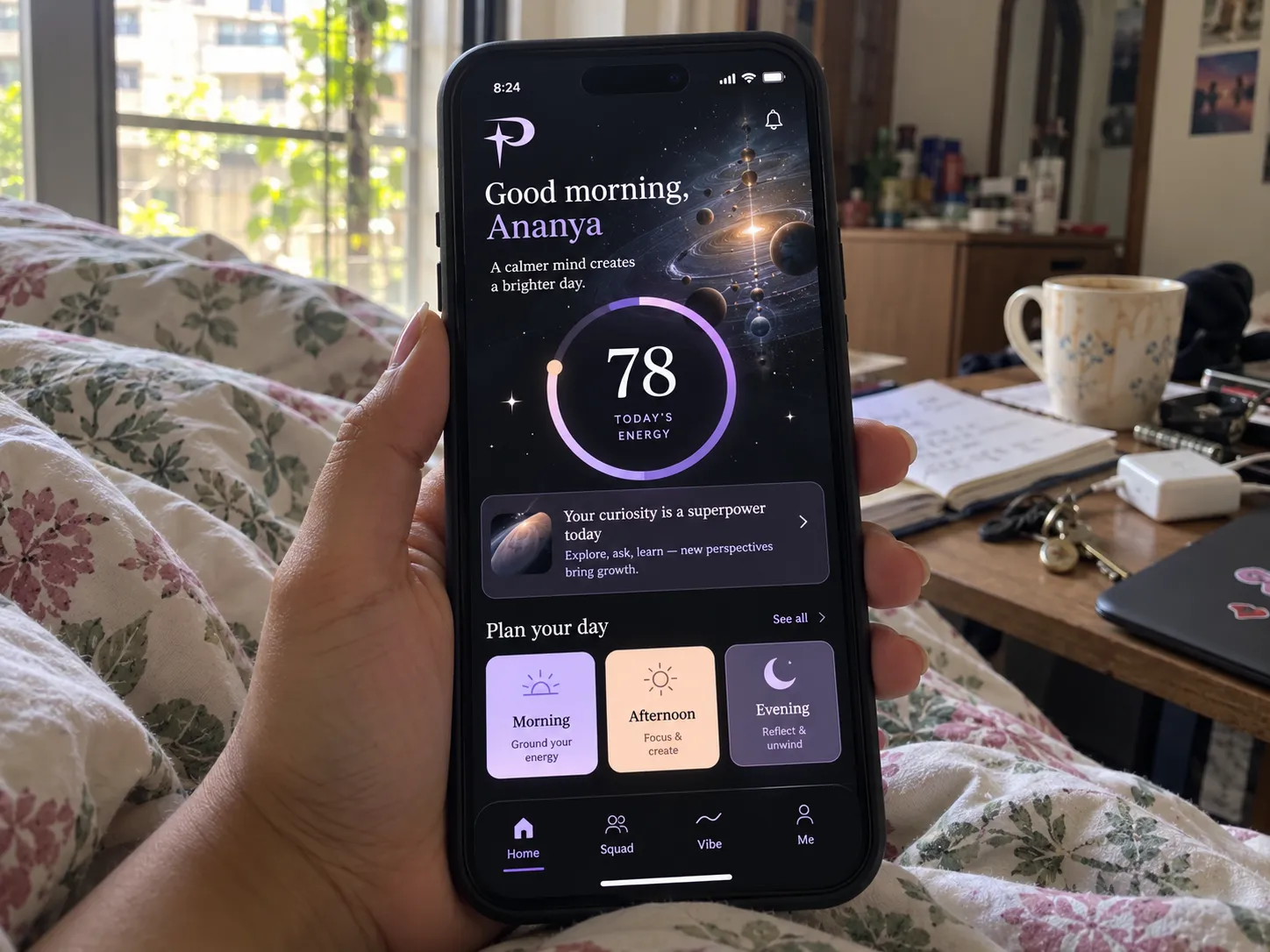
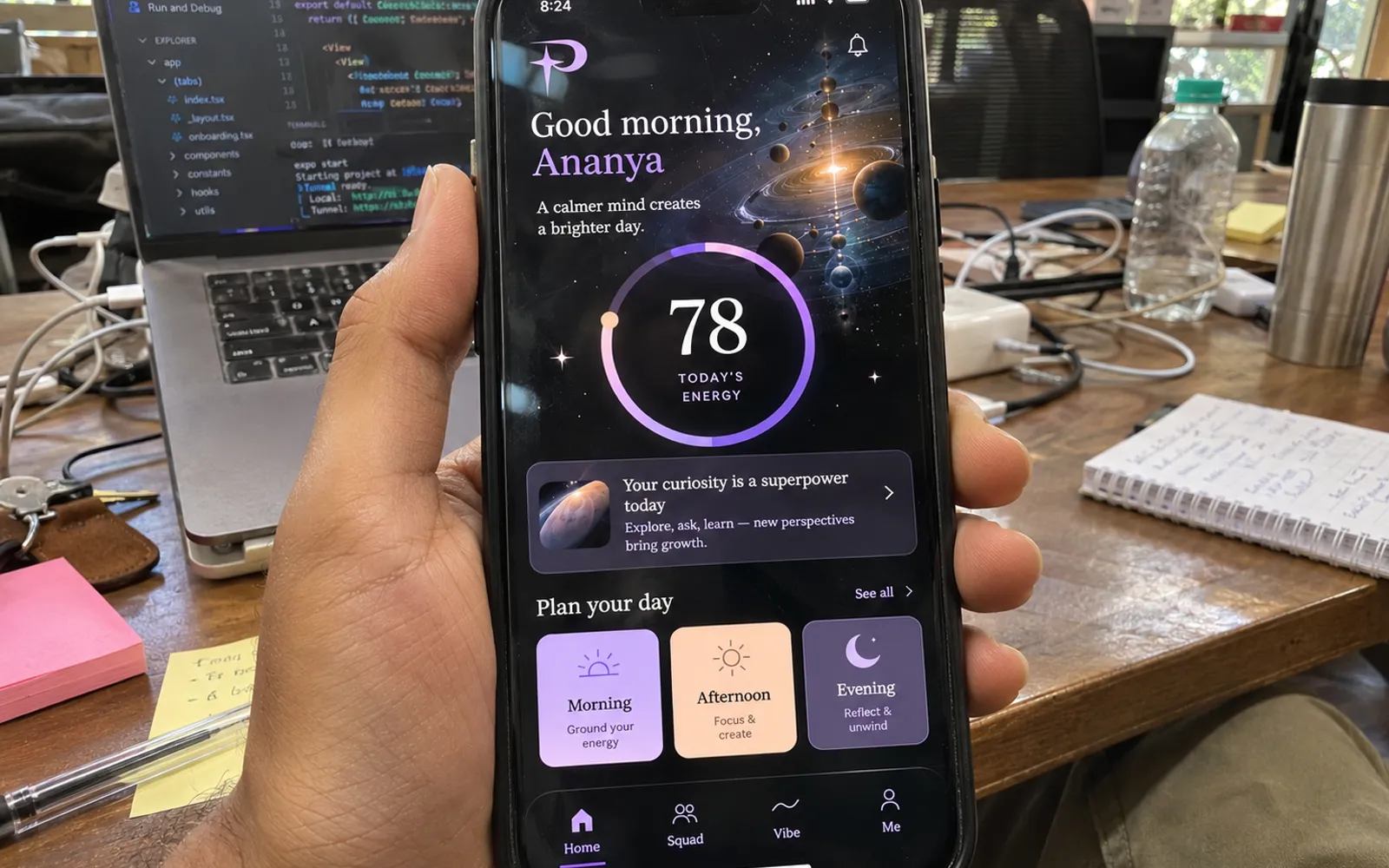
I'm a senior independent developer and designer working from Mumbai, in the India independent row of the table. I build React Native apps with Expo and TypeScript, and I write the native pieces when a project needs them. Pulse, a daily astrology app with real-time chat, subscriptions and a Python backend, went from nothing to an MVP in 10 weeks on React Native and Expo. More on how I work in React Native app development.
Small jobs start from $500 and full apps get a fixed price after a short call, in USD, GBP or EUR. If you've got React Native quotes you want a second opinion on, send me the scope and I'll tell you honestly what I think.