I build Flutter apps for a living, so I get hired through exactly the process this guide describes. I've also taken over Flutter projects from other developers, and the problems in those codebases are remarkably consistent. Most of them could have been spotted before anyone signed a contract.
If you mainly want to know what to pay, start with my guides to app developer hourly rates and Flutter developer rates in India. If you haven't settled on Flutter yet, read Flutter vs React Native first. The rest of this is about finding the right person.
Freelancer, agency or in-house?
| Option | Best for | The catch |
|---|---|---|
| Senior freelancer | MVPs and focused apps where one person can own design, app and backend | Quality varies a lot, and you depend on one person |
| Agency | Large builds with several people working in parallel | Higher prices, and the senior you met on the call may not write your code |
| In-house hire | Products where the app is the business and there are years of work ahead | Months to hire, a full salary, and one Flutter developer still won't cover backend and design |
For a startup's first version, my honest view is that a senior freelancer or a two-person studio is the best value. Flutter already halves the platform work, so a small team can cover iOS and Android without the coordination overhead an agency brings. Hire in-house once the product has traction and a roadmap that will keep someone busy full time. I go through the tradeoffs in more depth in freelance app developer vs agency.
Where to find Flutter developers
- Referrals from founders who shipped recently. Still the best source. Ask what went wrong, not just who they used.
- Apps you already like. Find Flutter apps that feel fast and polished, then find out who built them. Many developers list client work on their own sites.
- GitHub and pub.dev. Someone who maintains a package or contributes to well-used ones understands Dart properly. It's not a requirement, but it's a good sign.
- Marketplaces. Upwork and Toptal have good Flutter developers buried among many weak proposals. Filter on live apps, not ratings.
- Independent portfolio sites. Developers with real case studies on their own site tend to be in it for the long run.
If you're hiring from India or want someone in an Indian time zone, my page for Indian startups and businesses covers how I work locally, and hiring an app developer in India has the general process.
What a good Flutter developer should know
Flutter makes the first 80 percent of an app look easy. The skills below are what the last 20 percent needs, and they're what separates someone who has shipped from someone who has followed tutorials.
State management with a reason
Riverpod and Bloc are the common choices, and either is fine. What matters is that they can explain why they picked one for your app, how they keep business logic out of widgets, and how they'd test it. A codebase where every screen calls setState and talks to the API directly will be painful to change within six months.
Platform channels and native code
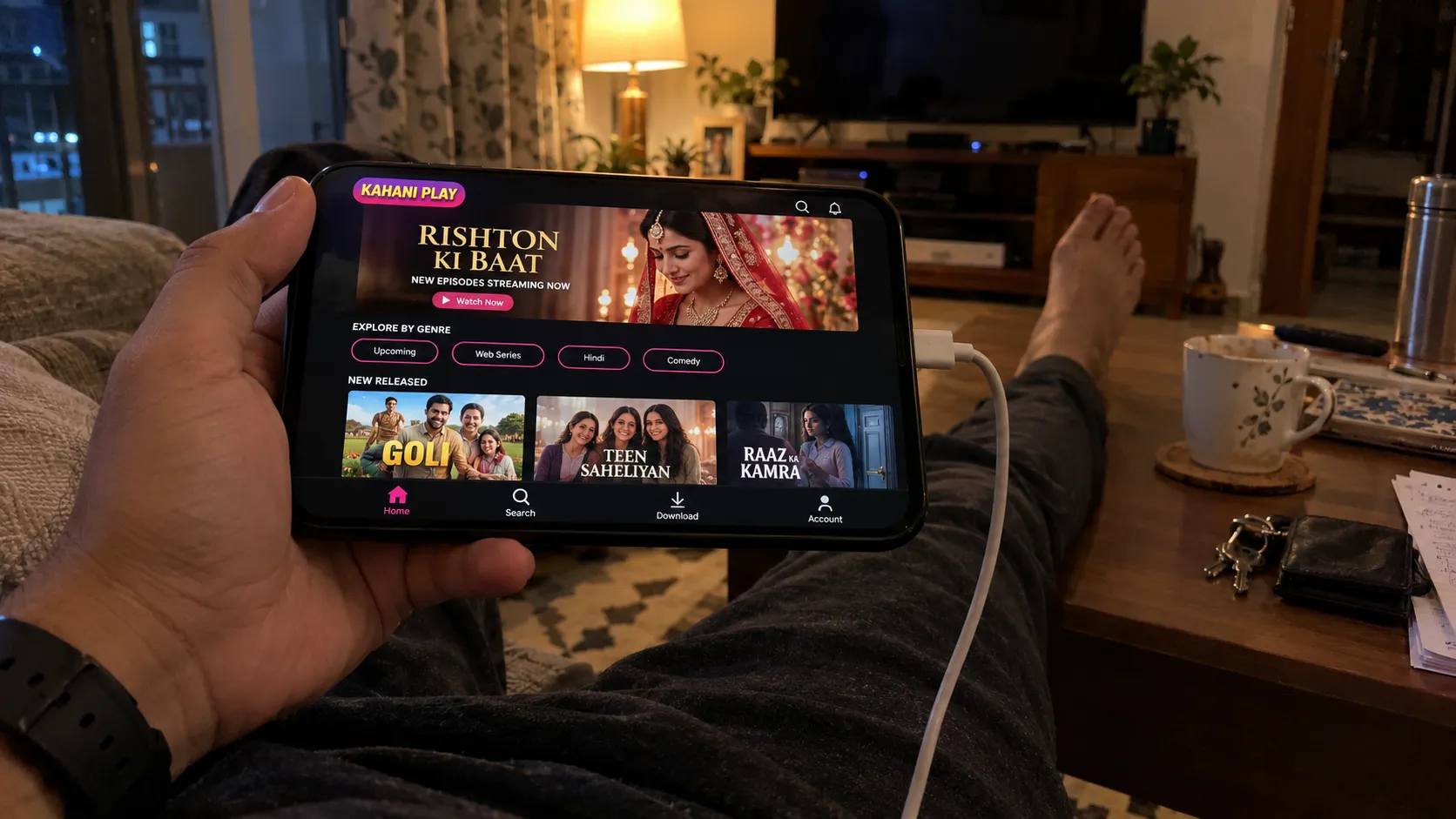
Sooner or later your app needs something Flutter doesn't wrap well: background downloads, a specific payment SDK, a camera quirk on one Android brand. A good Flutter developer can write that bit in Kotlin or Swift and call it through a platform channel. On Kahani Play the offline downloads run through a native Android layer for exactly this reason.
Store releases on both platforms
Signing keys, provisioning profiles, build flavours for staging and production, App Review rejections, Play Console's target API deadlines. Ask who handles releases and how. Someone who has only ever run the app in a simulator will lose you weeks here. My guide on how to publish an app shows how much is involved.
Performance on low-end Android
If your users are in India, Southeast Asia or Africa, many of them are on budget phones with little memory. Your developer should profile in release mode with DevTools, build long lists lazily, size and cache images properly, and keep the install size down with app bundles. Ask what the slowest phone they test on is. If the answer is a recent flagship, keep asking.
Backend, not just screens
Most apps need auth, a database, push notifications, payments and an admin panel. A Flutter developer who can set up Firebase or Supabase, or work cleanly against your REST API, saves you hiring a second person for version one.
A practical vetting checklist
- Install their live apps. Ask for Flutter apps on Google Play and the App Store right now. Open them on an older Android phone. Do they start quickly and scroll smoothly?
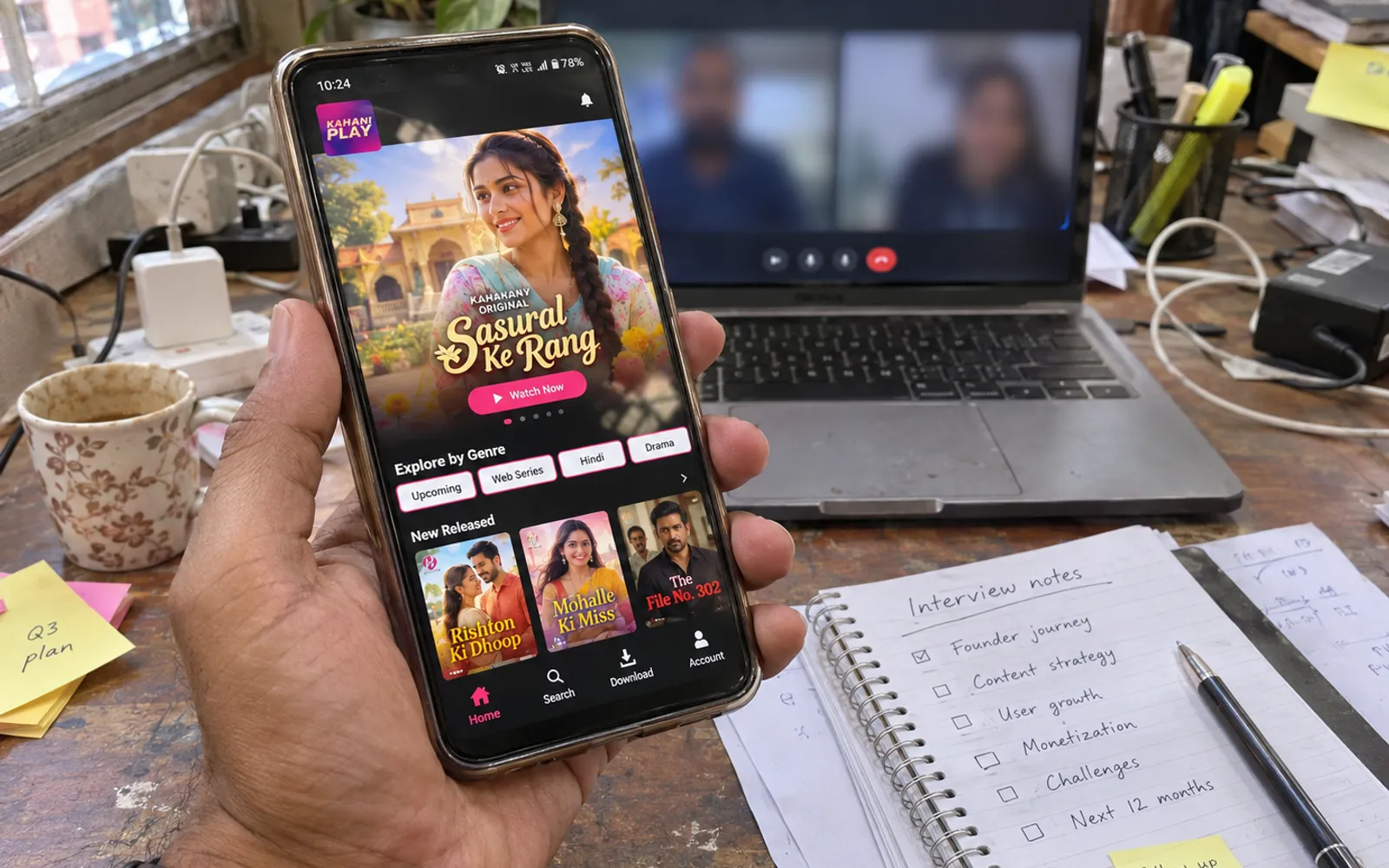
- Check the update history. Play shows the last update date and a download range. Regular releases over a long period prove they maintain what they build. Kahani Play, for reference, is past 500,000 downloads with more than 70 releases.
- Ask exactly what they built. 'I worked on it' can mean the whole app or two screens. Get specifics.
- Look at real code. A public repo, a package, or a screen share of a past project with the client's permission. You're checking structure, naming and tests, not cleverness.
- Call a past client. Ask whether they hit deadlines and whether the client would hire them again.
- Watch the first week of messages. Slow, vague replies before the contract won't improve after it.
If you can't judge code yourself, pay a senior developer for one or two hours to review a candidate's sample. It's the cheapest insurance you'll buy on the whole project.
Interview questions and test tasks
Skip the algorithm puzzles. You're hiring someone to build and ship an app, so ask about building and shipping.
- Walk me through how a tap on a button ends up as a saved record on the server in one of your apps.
- Tell me about a crash you only saw in production. How did you find it and fix it?
- How would you make a feed of 500 items with images scroll smoothly on a ₹10,000 phone?
- What do you do when App Review rejects a build the day before launch?
- When would you write native code instead of using a pub.dev package?
- How would you hand this project over to another developer if you had to?
For a test task, keep it small and paid. Four to six hours is enough: a list screen that pages data from a public API, caches it for offline use and handles errors and empty states. Ask them to explain their choices in a short note. The note often tells you more than the code. A good alternative for senior candidates is to give them a messy existing screen and ask what they'd change and why.
Red flags
- No Flutter apps live in either store, only GitHub demos or Dribbble shots.
- Can't explain why they use their state management approach, beyond 'it's popular'.
- Says Flutter can do everything without native code. It can't, and they'll find out on your budget.
- Has never tested on a low-end Android device.
- Wants to publish the app under their own developer account.
- Won't give you access to the repository until the final payment.
- Quotes a fixed price for the whole app after a ten-minute chat.
Contracts and ownership
This part isn't specific to Flutter, but it's where founders get hurt most, so it's worth being blunt about.
- Code in your GitHub. Create the repository under your organisation and add the developer. Commits land there from the first week.
- Store accounts in your name. Your Apple Developer account and Google Play Console, with the developer invited as a team member. Moving an app between accounts later is slow and sometimes messy.
- Servers and services in your name. Firebase, Supabase, AWS, domain, email, RevenueCat. Billing on your card, developer as a collaborator.
- IP transfer as you pay. Code and designs move to your company as each milestone is paid.
- Written scope and milestones. A feature list and screen list, with payments tied to builds you can install.
- A warranty period. Usually 30 to 90 days after launch for bugs within scope.
Engagement models and rough costs
| Model | When it fits | Rough cost |
|---|---|---|
| Fixed-scope project | A first version or a clear feature | From ₹60,000 or $500; a mid-size app in India often ₹2 – ₹8 lakh |
| Hourly | Small fixes, audits, unclear scope | India independent $20 – $60/hr; US freelancer $60 – $150/hr |
| Monthly retainer | After launch: updates, fixes, new features | A set block of hours each month; see app maintenance cost |
| Full-time in-house (India) | Long-running product with a roadmap | ₹6 – ₹40 lakh/year CTC, plus hiring time |
Flutter usually comes in cheaper than two native apps because most of the work is done once. If you want a number for your own idea, the app cost calculator gives a rough range in a couple of minutes, and app development cost in India breaks a real estimate down line by line. For comparison with the other cross-platform option, see React Native developer rates.
For a startup, the pattern I see work best is a fixed-scope MVP first, then a monthly retainer once the app is live. You pay a known amount for the risky part, then a predictable amount for the stream of changes that always follows launch.
If you're considering me
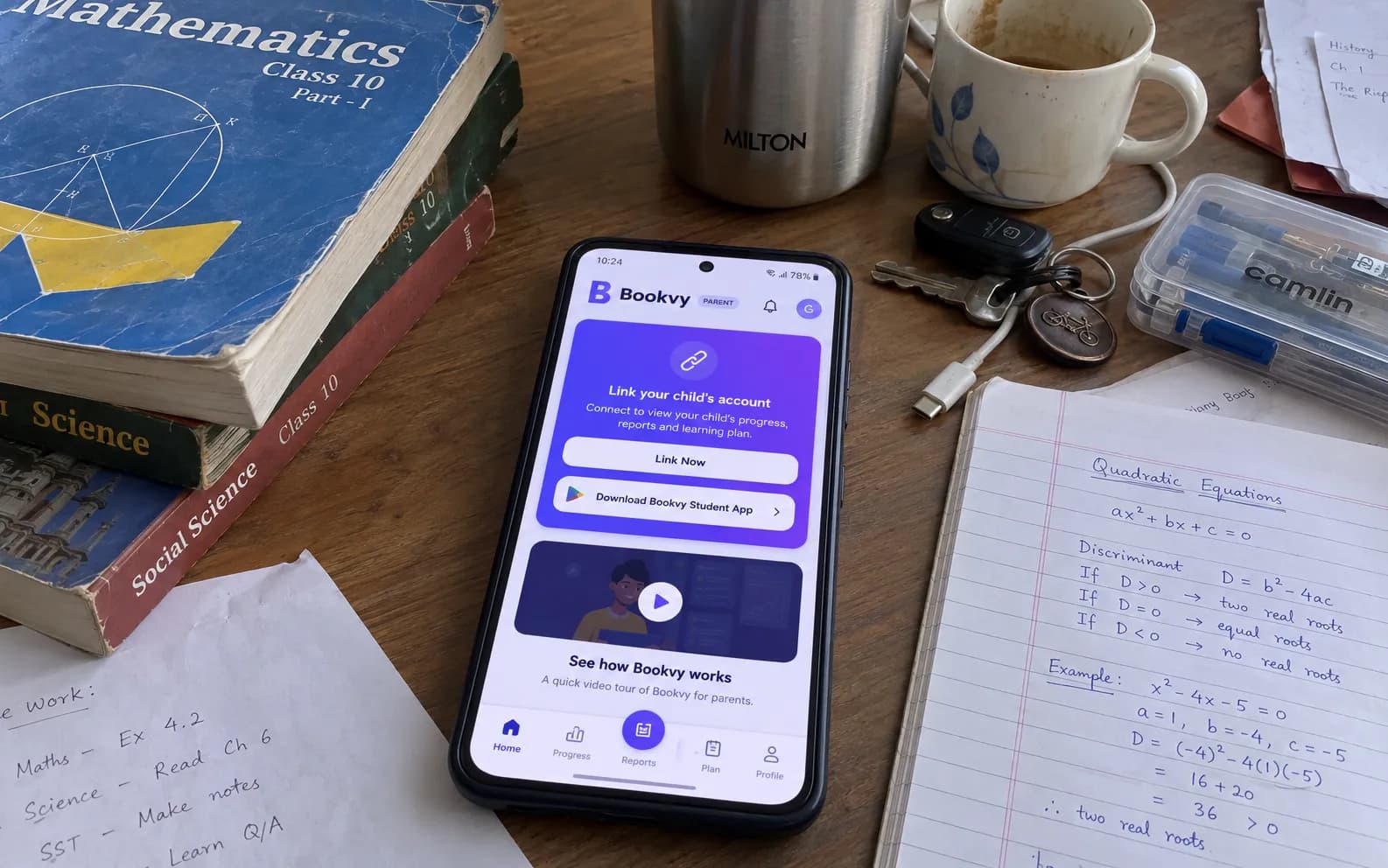
I'm Siddhesh, a senior independent Flutter developer in Mumbai. I design the app, build it, set up the backend and handle both store releases under your accounts. My Flutter work in production includes Kahani Play, a streaming app with 500,000+ downloads that I've looked after through more than 70 releases, and Bookvy, a student app and a companion parent app.
You can read how I run Flutter app development and MVP development projects, or tell me what you're building and I'll tell you honestly whether Flutter and I are the right fit.